


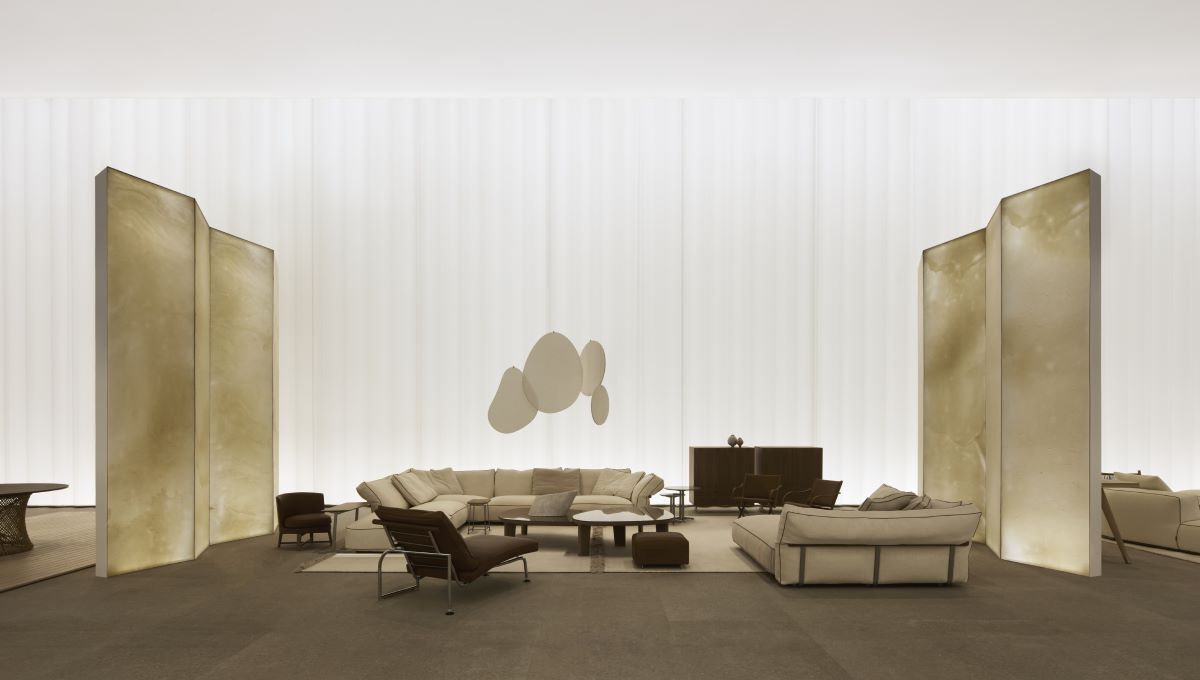
Salone del Mobile.Milano 2024: What happened to the heat?
When we touched down in Milan, the pilot’s announcement of sunny, cloudless skies and a warm 26 degrees Celsius set the stage for an exceptional Salone del Mobile experience. As a first-timer at this fabled trade show, with overall attendance up more than 17 per cent over the 2023 edition and every pavilion taken, my anticipation was sky-high. The event, with EuroCucina (Kitchen & Bath) taking centre stage this year, had Rho’s event spaces fully booked and off-site events capturing the essence of Milan through the Fuorisalone.
Staying in the Brera District, the contrast was stark between the freely available design guides and the official ones priced at €50, underscoring the event’s exclusivity and breadth. Luxury fashion giants like Hermès, Gucci, and Loewe led the charge, transforming spaces with their homewares and unique pieces, highlighting the convergence of fashion and home décor. Their ability to captivate was evident in the lines of people waiting to catch a glimpse of their installations, raising the question of how many lines one is willing to stand in during such a transient, five-day event.
Our choice to explore offsite events and the Brera District instead of attending the official opening revealed a vibrant, buzzing atmosphere. Yet, as temperatures began to drop, the initial warmth gave way to a cooler ambiance, both meteorologically and metaphorically. After exploring most pavilions on Wednesday and Friday, the sunny yet cool weather mirrored my evolving impressions of the Salone. After seeing a dozen or so furniture brands, everything began to blend with similar colour themes, curved lines, linear LEDs, and organic shapes. Despite my initial reservations about luxury fashion brands stealing the spotlight, their installations were becoming more intriguing.
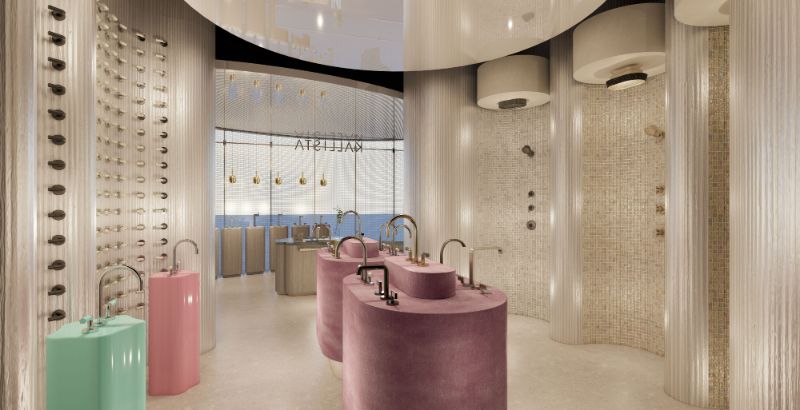
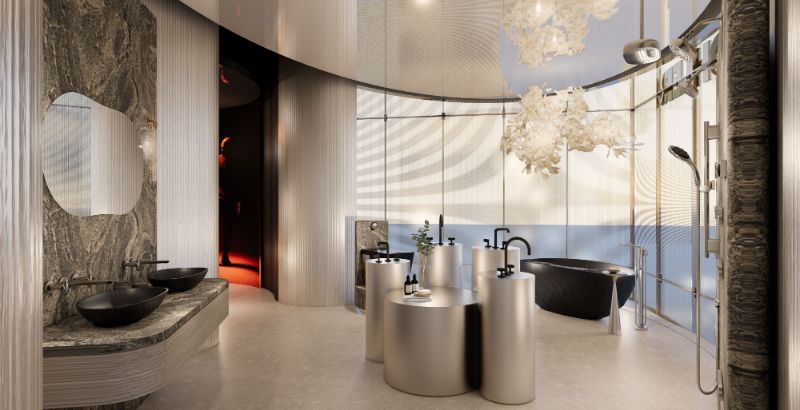
Despite this, certain installations stood out. Kohler’s booth, for example, was a testament to innovative design, offering a refreshing take on bathroom aesthetics. Designed by Canadian heavyweights Yabu Pushelberg, they used shimmering wire meshes to evoke water movement, greeting visitors with a silvery school of fish instead of the usual sinks and faucets. The booth showcased Kohler and its sister brand Kallista’s latest designs, including new PVD metal finishes; a 3D printed sink, a vast, functional shower display with jetted rain heads, body sprays, and hand showers; walls of vibrant customizable handles; and marble-clad faucets and shower heads. Kohler also displayed their latest acquisitions, like colourful concrete cast sinks and home infrared spas, highlighting the ongoing demand for luxury in-home spas post-pandemic.
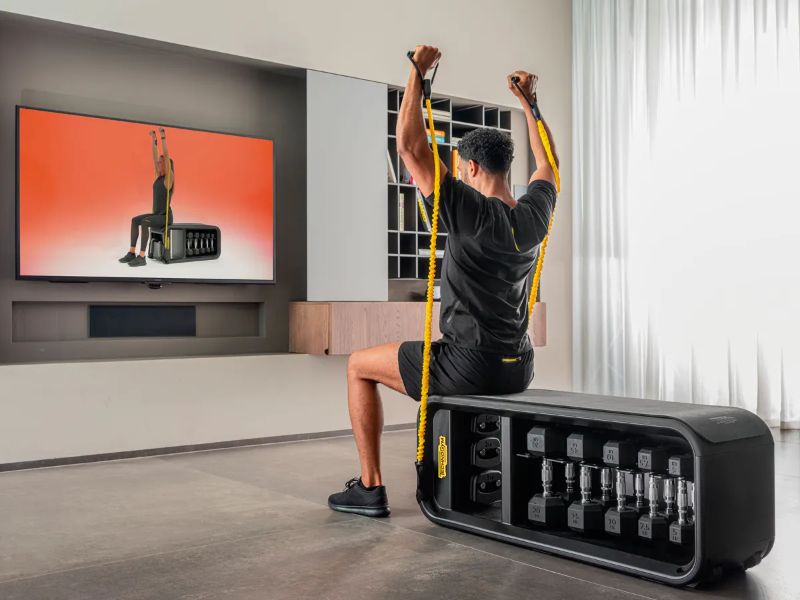
Moreover, brands such as Technogym, which have revolutionized the home gym concept, underscore the persistent demand for high-end, in-home wellness solutions. The Technogym Bench, a compact yet comprehensive gym solution measuring 1,129 x 376 x 455 mm, comes equipped with dumbbells, resistance bands, weighted knuckles, and an app featuring hundreds of workout routines. Technogym enlisted 40 artists and designers to reimagine this bench in a unique initiative for the Salone. Regardless of the size of the spaces I’m tasked with designing, clients often perceive their homes to be larger than they truly are. A smaller, more efficient home gym not only meets fitness needs but also liberates valuable space for other uses.
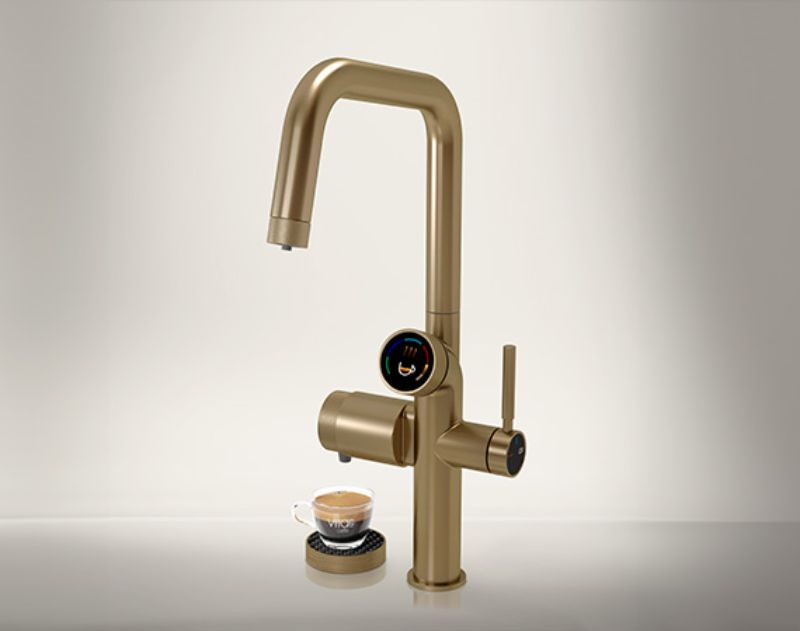
The pandemic, seemingly a distant memory, has left a lasting impact on home design trends. The desire for seamless integration of technology and elegance in the home was evident in the ingenious solutions presented by various brands. From hidden appliances to the innovative Vita Gessi Caffè faucet that serves hot, cold, or carbonated water (and even espresso!), the push towards minimalist, clutter-free spaces was clear.
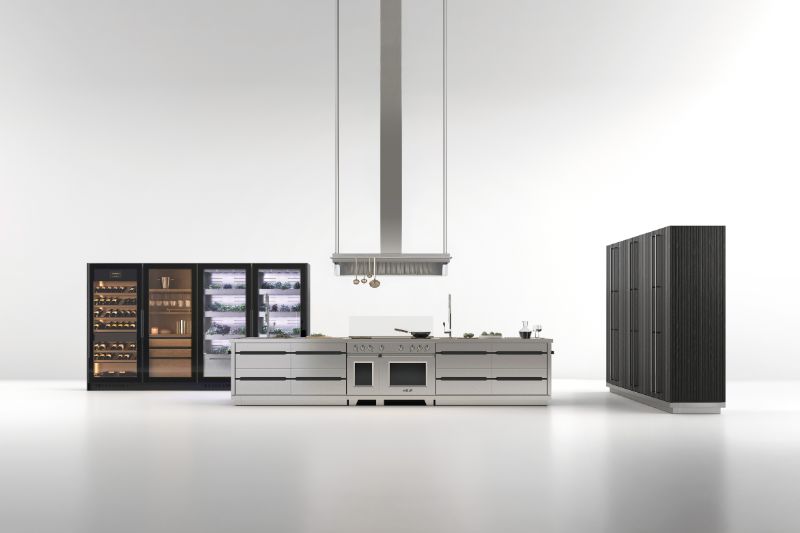
Appliances are now being seamlessly integrated behind cabinet doors, not just fridges and dishwashers, but also ovens and microwaves, thanks to companies like Snaidero, Boffi, and Arclinea using innovative hardware like Blumotion. Previously, Canadian electrical codes limited this style, especially in B.C., but companies like Miele have now developed appliances that meet North American safety standards, allowing for complete appliance concealment. Advances in heat-conducting materials mean even cooking elements can be hidden under a thin countertop layer, creating a sleek, uninterrupted surface. While we might wait a bit longer for a fully integrated sink to match the countertop seamlessly due to approval processes, the concept of a countertop that hides the sink and its strainer is exciting. Despite the trend towards hiding everything, the concept of a fridge designed for salad greens, modelled by Arclinea and initially experimented with in B.C., highlights the continued interest in food safety and fresh produce, a trend that has grown during the pandemic. This approach to kitchen design not only promises freshness and organic choices right from a temperature-controlled environment but also aligns with the ongoing demand for safe and accessible food.
Emerging brands, however, faced challenges in gaining visibility due to the high costs of booth rentals, underscoring a broader issue within the industry. Yet, it was precisely these smaller, thoughtful installations, like that of C&C Milano, that often left a lasting impression, demonstrating the power of creativity and innovation regardless of budget.
FlexForm’s “Between the Folds” and Casa Gessi’s booth were other highlights, each offering unique approaches to presentation and design. FlexForm’s approach to lighting and layout provided a calm, focused atmosphere, while Casa Gessi turned plumbing fixtures into pieces of jewelry, showcasing the endless possibilities of design.
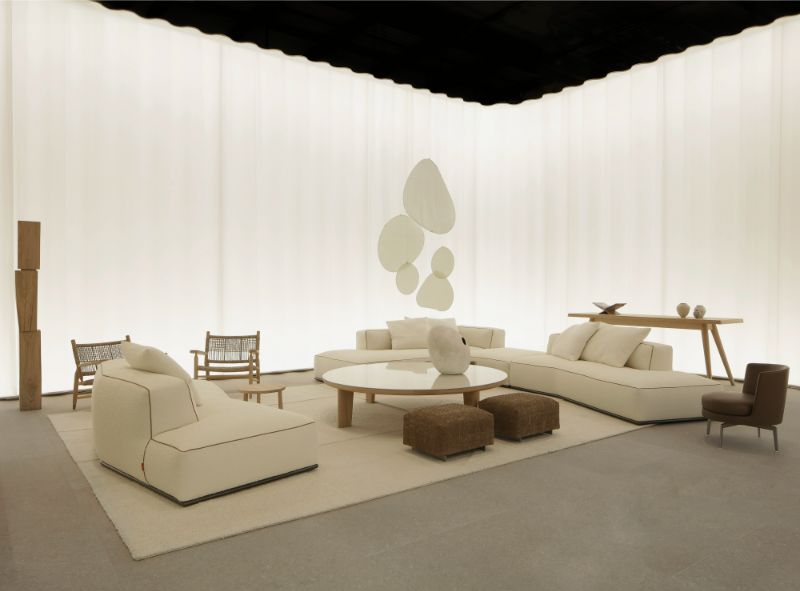
As the event concluded, my thoughts on the layout of displays and the potential for innovation in even the most traditional settings were mixed. The seamless integration of technology and design, the blending of fashion and functional space, and the challenges faced by emerging brands in a space dominated by established names provided much food for thought.
The Salone del Mobile.Milano 2024 left me with mixed feelings: admiration for the creativity and innovation on display, tempered by the realization of the challenges smaller brands face in such a competitive arena. Yet, it’s clear that the future of home design is bright, with technology, sustainability, and beauty leading the way.
Joy Chao is the Lead Interior Designer at Vancouver-based JHA and has been in the world of design and construction for over 20 years. Joy and her team specialize in residential, commercial, and hospitality projects that are timeless yet modern, creating beautiful spaces that feel like home.
As featured in the July-August 2024 issue of Canadian Interiors magazine.