

Did you know that according to the Environmental Protection Agency (EPA), the average American spends approximately 90 per cent of their life indoors? This staggering statistic underscores the importance of creating indoor spaces that not only meet functional needs but also support physical, psychological, and social well-being. Because of this, the design and materials used in our built environments are increasingly recognized for their impact on health and well-being.
The concept of healthy buildings is becoming more prominent, with growing evidence linking environmental factors within these spaces to overall human health. Recent studies, such as those conducted by the University of British Columbia (UBC) and FPInnovations, have highlighted the significant role that wood can play in creating healthier indoor environments. The presence of visual wood surfaces in a room has been shown to lower sympathetic nervous system (SNS) activation, which is responsible for the body’s stress responses. This finding calls for integrating wood into building designs as a tool for promoting health and well-being, particularly in spaces where people spend significant amounts of time, such as offices, schools, and healthcare facilities.
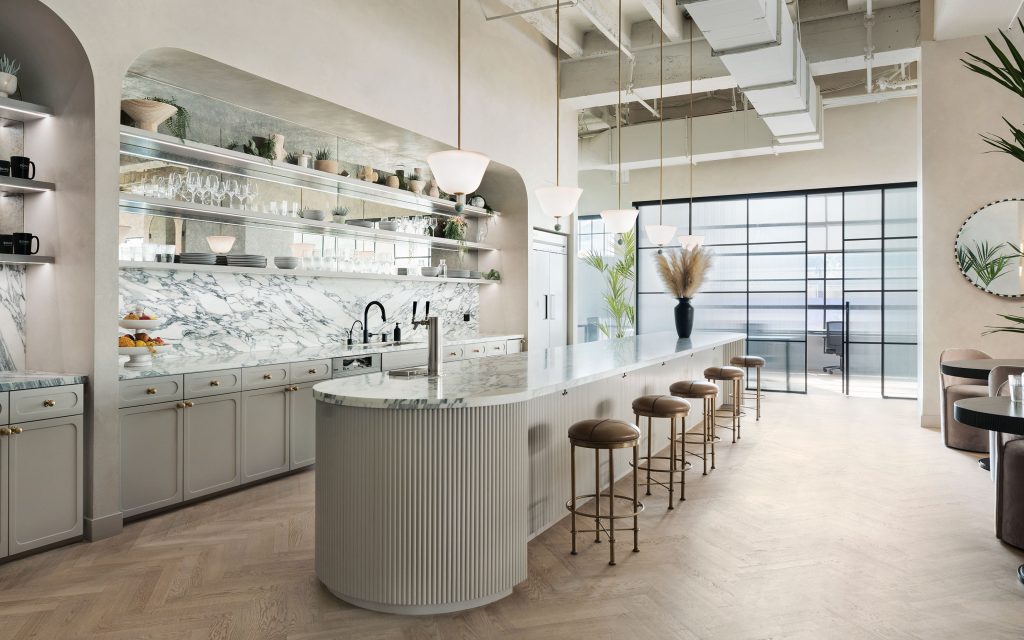
The Case for Healthy Buildings
A healthy building is more than just a physical structure. It should foster the well-being of its occupants. This includes not only their physical health but also their psychological and social well-being. The importance of positive environments can foster happier and healthier individuals who are not only more satisfied with their lives but also more productive in their professional roles. Research from Harvard Business Review suggests that employees who are happy can be up to 20 per cent more productive than their less satisfied counterparts, with salespeople experiencing a 37 per cent increase in sales when they are happy.
These statistics highlight the economic benefits of investing in healthy buildings. However, the focus on well-being extends beyond productivity gains. As society becomes increasingly aware of mental health challenges, the importance of designing spaces that actively contribute to mental wellness has never been more crucial. The spaces we occupy can either exacerbate stress and anxiety or serve as a sanctuary that promotes peace and focus. By prioritizing the creation of environments that support health, businesses, and organizations can also reduce absenteeism, lower healthcare costs, and foster a more engaged and creative workforce.
The Role of Wood in Enhancing Indoor Environments
Among the various materials that contribute to healthier indoor environments, wood stands out for its unique aesthetic and functional properties. As one of the most visually dominant materials in a space, wood has the ability to transform the atmosphere of a room. Its natural warmth and texture provide a comforting and inviting environment, which contrasts sharply with the cold, hard surfaces of materials like tile or concrete.
Wood’s impact on well-being is not solely aesthetic. The UBC and FPInnovations study found that the presence of wood surfaces in an office environment led to lower stress levels among occupants. Specifically, participants exposed to wood in their surroundings exhibited lower heart rates and reduced skin conductivity, both of which are indicators of decreased stress.
The stress-reducing effects of wood can be attributed to its ability to evoke the restorative qualities of nature. Just as exposure to natural environments has been shown to lower blood pressure, heart rate, and aggression, wood surfaces in indoor spaces can help create a sense of calm and relaxation. This is particularly important in settings where stress is prevalent, such as offices or healthcare facilities, where the well-being of occupants can significantly impact their performance and recovery.
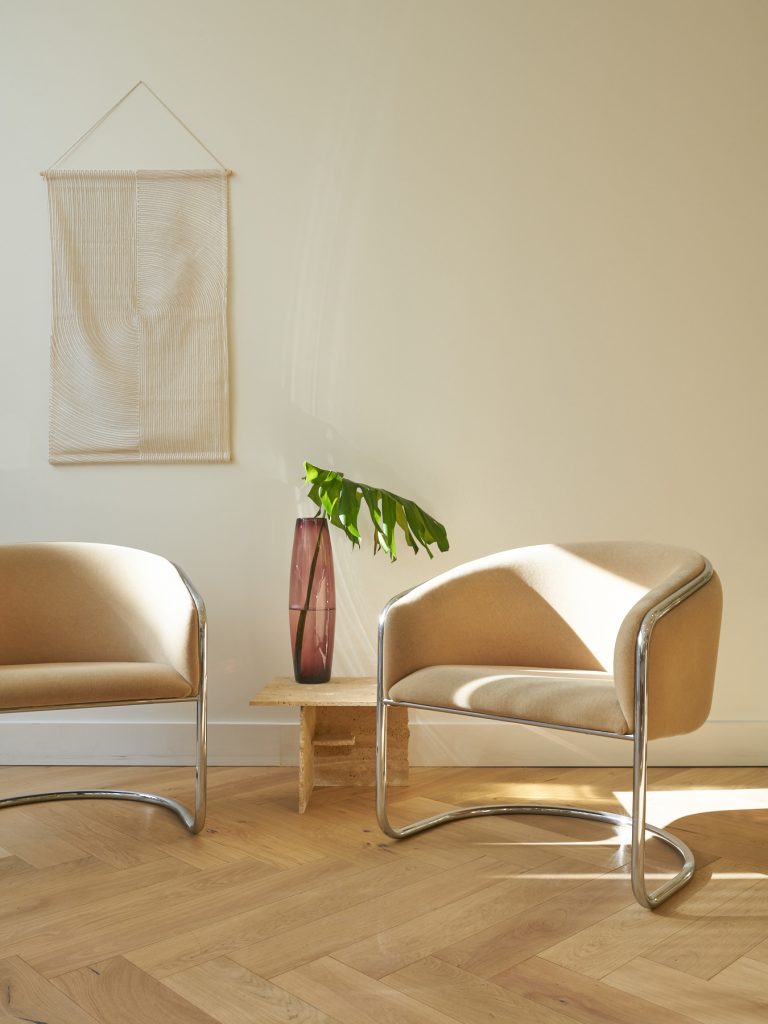
Practical Benefits of Wood in Design
Beyond its stress-reducing properties, wood offers several practical benefits that make it an excellent choice for interior design. One of the key advantages of wood is its natural insulating properties. Due to its porous structure, wood is an effective insulator, helping to maintain comfortable indoor temperatures year-round. This can lead to energy savings, as buildings with wood surfaces may require less heating in the winter and less cooling in the summer.
Wood also contributes to improved acoustics within a space. Unlike materials such as metal or glass, which can amplify noise, wood absorbs sound, creating a quieter and more serene environment. This makes wood an ideal choice for spaces where noise reduction is important, such as libraries, classrooms, and offices.
From a health perspective, wood flooring is a superior option compared to carpets, which can harbor dust, allergens, and bacteria. Wood floors are easy to clean and maintain, requiring only regular sweeping and occasional mopping to keep them looking their best. This ease of maintenance is particularly beneficial in high-traffic commercial spaces, where cleanliness is paramount.
In addition, wood’s durability ensures that it remains an asset to the built environment for decades, making it not only a healthier but also a more sustainable choice. With proper care, wood surfaces can last generations, often becoming more beautiful and character-rich over time, which further enhances the aesthetic and functional value of the spaces.
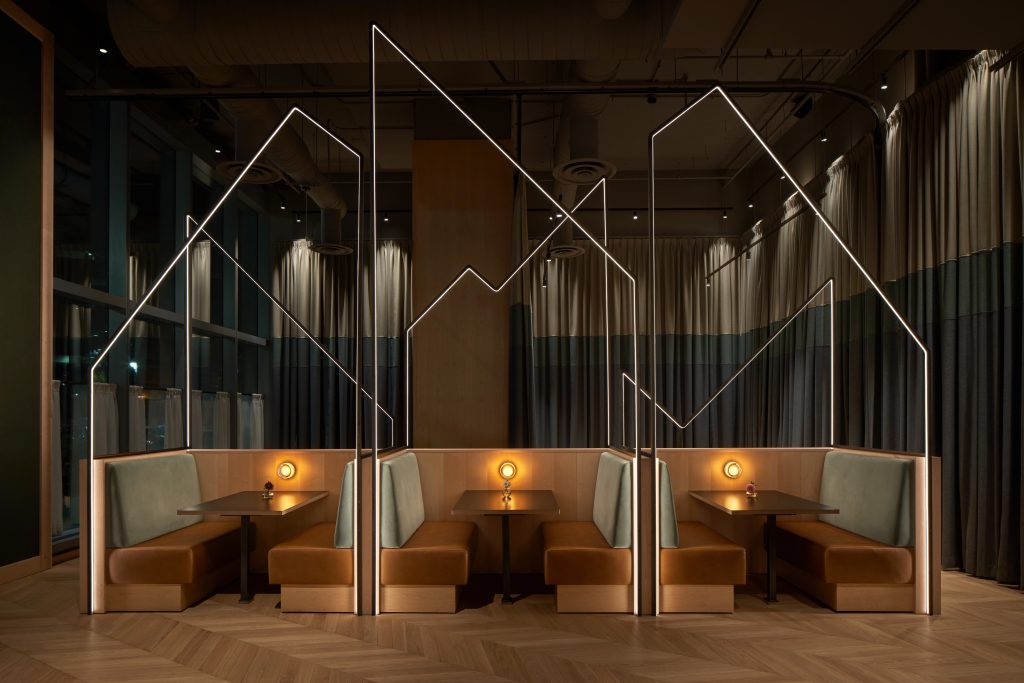
Evidence-Based Design and the Future of Healthy Buildings
The concept of evidence-based design (EBD) has gained traction in recent years as architects and designers seek to create spaces that promote health and well-being based on scientific research. The study conducted by UBC and FPInnovations adds to the growing body of evidence supporting the use of wood in indoor environments as a tool for reducing stress and enhancing occupant health.
Historically, evidence-based design has been most prominently applied in healthcare settings, where the goal is to create environments that support patient recovery and well-being. However, the principles of EBD are increasingly being applied to other settings, such as schools and offices, where the health and well-being of occupants are equally important. As we look to the future, the integration of wood in these spaces should be prioritized, not only for its sustainability but also for its ability to create healthier and more supportive environments.
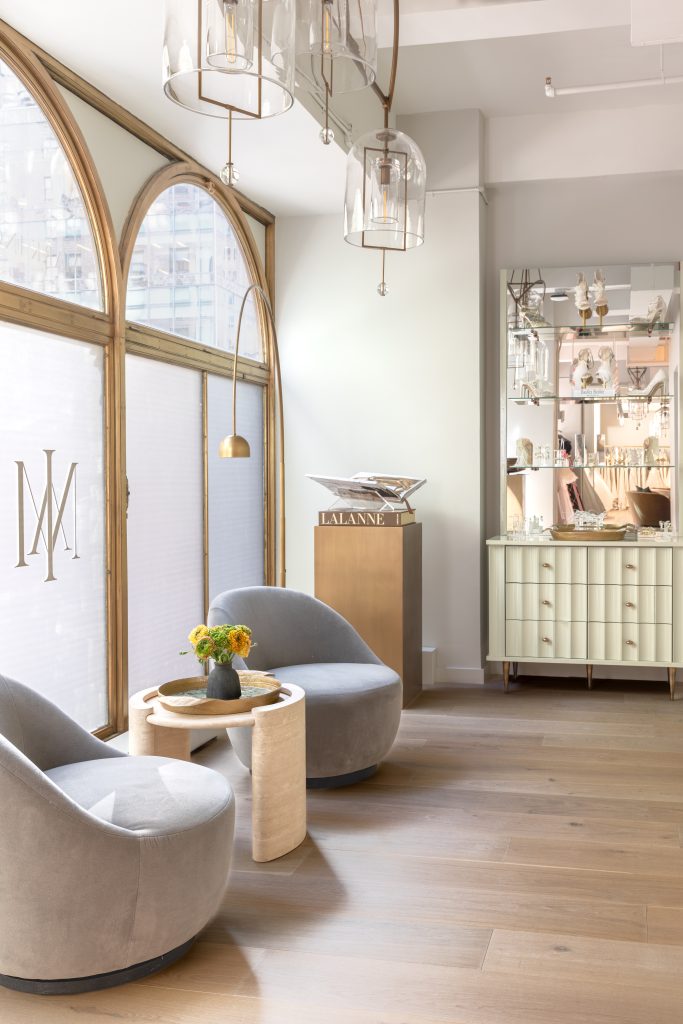
A Holistic Approach to Design
The integration of wood into building design is more than just a stylistic choice. It is a holistic approach to fostering well-being in indoor environments. As the evidence from studies like those conducted by UBC and FPInnovations shows, wood has the potential to reduce stress, improve acoustics, and contribute to a healthier indoor climate. By prioritizing the use of wood in spaces where people live and work, we can create environments that nurture both the body and mind, ultimately leading to happier, healthier, and more productive individuals.
Anthony Scott is the global product and innovation director at Havwoods.