



High schoolers hand out bathroom grades to schools

A survey released in time for the back-to-school season revealed details about teens’ restroom and handwashing habits and whether or not they stay home from school when they’re sick.
The study, called the Healthy Handwashing Survey, was conducted by Bradley Company and connected with 1,012 high schoolers ages 14 to 18 to gather their insights and opinions. While the study was conducted in the U.S. it is likely that many of these patterns are similar in Canadian schools.
The survey found that teens are educated about the benefits of handwashing. A total of 97 per cent believe washing up with soap and water is an important action for maintaining their overall health.
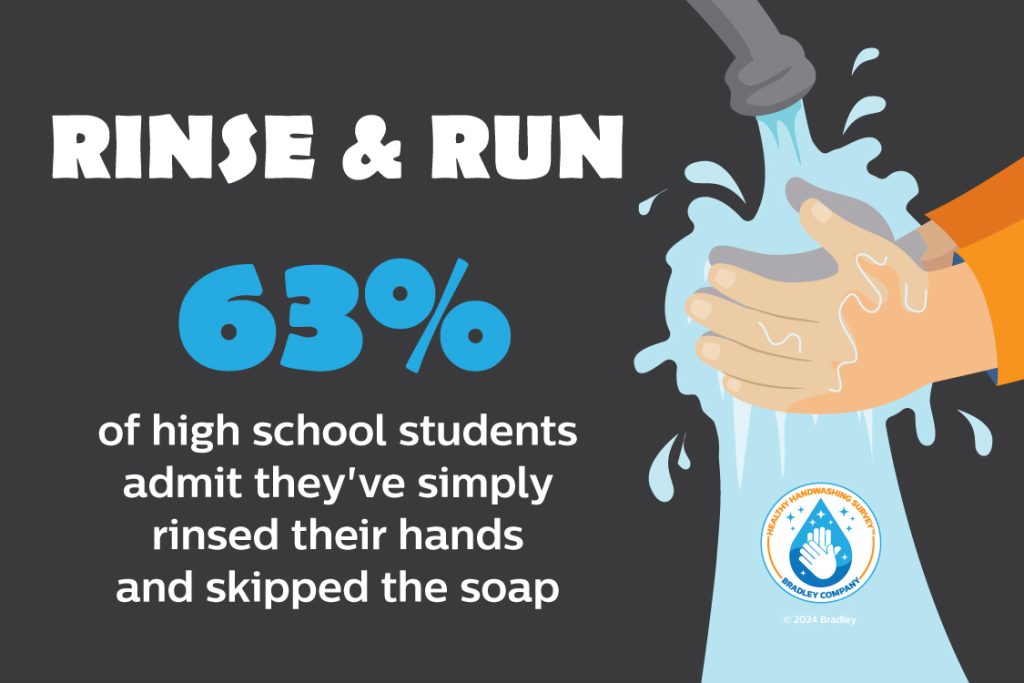
Nearly two-thirds of respondents admitted that on occasion, they’ve cheated by skipping the soap and just rinsing with water. One-third said they frequently see others leave the school restroom without washing their hands at all.
In terms of removing the most germs from their hands, students have learned that handwashing with soap trumps hand sanitizer. A total of 72 per cent believe their hands are less germy when they lather up with soap and water as opposed to using sanitizer.
In general, the study found that students are conscientious about staying healthy. A total of 74 per cent take steps to avoid a sick classmate by eliminating physical contact and staying away from them. In the bathroom, students try to avoid germs by flushing the toilet with their foot and using a paper towel to mitigate contact with doorknobs and faucets.
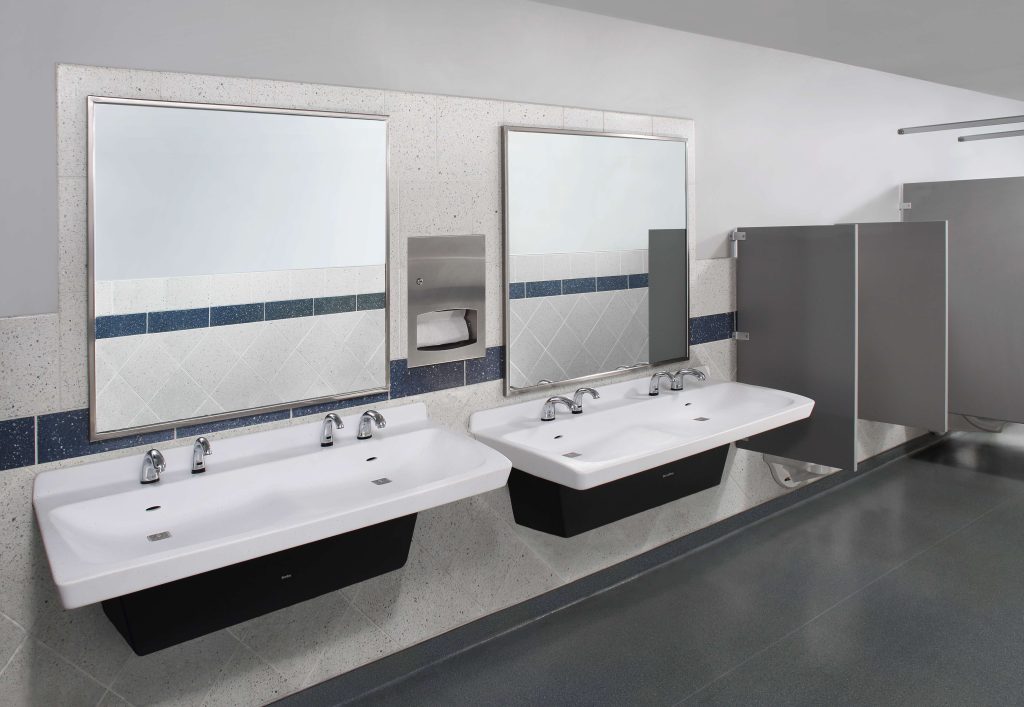
The survey revealed that most students use their school restrooms sparingly. A total of 64 per cent said they visit the facilities once or twice a day. When asked why they avoid the facility, roughly 40 per cent said that it is because it is usually dirty or smells bad.
A total of 70 per cent reported they’ve had particularly unpleasant experiences due to the condition of the facilities. Aside from unpleasant smells, the respondents said that many people in the restroom, clogged/unflushed toilets and stall doors that don’t latch closed cause the most negative feelings about school restrooms.
When encountering a negative situation, 57 per cent said they leave without using the restroom and almost half say they steer clear of using that same bathroom in the future.
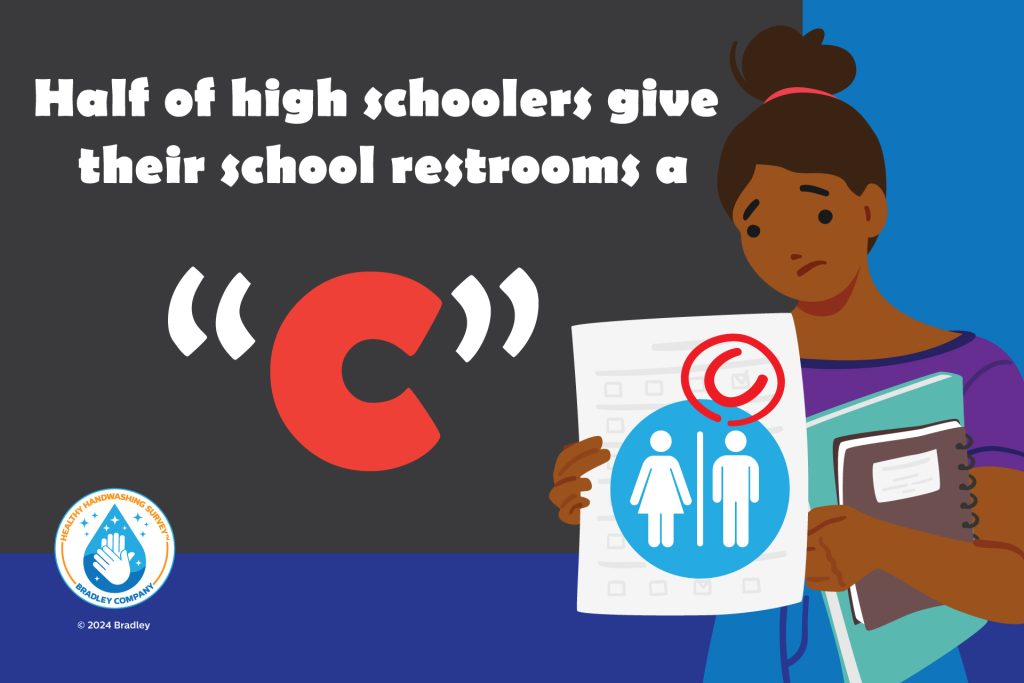
Respondents said they’re particularly bothered by reckless behaviour that causes damage to the facility (57 per cent) and used paper towels left on the floor or in the sink area (53 per cent) that makes the space look unkept. Overall, 48 per cent of high schoolers say their school restrooms are average, which equates to a C grade, and 26 per cent feel the conditions are poor, meaning the facilities got a D.
When asked how their school bathrooms could be improved, 56 per cent responded that they would like them to be cleaner and stocked more frequently. More privacy with taller doors and no gaps between panels was another top request, along with more deodorizing or air freshener.
“Unfortunately, poor restroom conditions lead teens to think less of their school and cause them to believe it’s poorly run,” said Jon Dommisse, vice president of marketing and corporate communication for Bradley. “Our research shows that restroom conditions speak volumes about public establishments, including schools, so restroom cleanliness and maintenance is a must.”
Two-thirds of respondents said they have made a conscious decision to choose a business, such as a restaurant, store or gas station, when needed, because they know it has well-maintained restrooms.
The survey found that most teenagers miss school when they’re sick. Three out of four say they stay home when they’re ill. For one out of five, the decision is influenced by whether or not they have tests to take or projects to complete.
The annual Healthy Handwashing Survey from Bradley asked 1,012 high school students between January 4 to17, 2024, about their handwashing habits, school restrooms and germ avoidance. Teens were from around the U.S. and were fairly evenly split between male and female.