


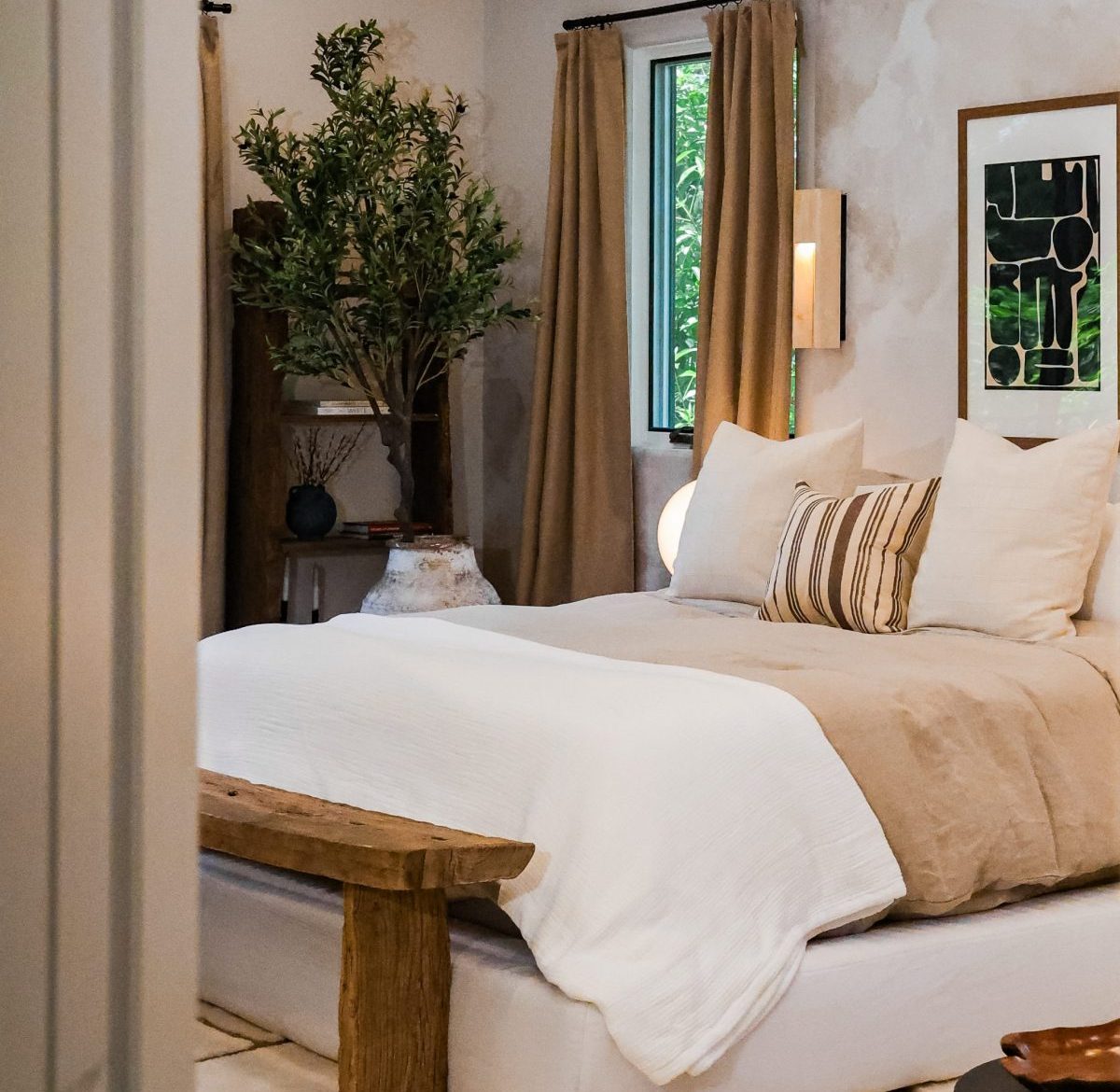
From Sketch to Success: Tips for Launching Your Interior Design Career

Starting an interior design business can be a thrilling adventure filled with creative possibilities. Yet, like any entrepreneurial journey, it is fraught with challenges that require thoughtful planning and a proactive approach. Whether you’re a student eager to enter the field or someone contemplating a career shift, understanding the essential steps to launch your interior design business is crucial. Here are some invaluable tips to help you navigate the early stages of your design career, just as I did when I began my own journey.
1. Build your network
In the world of interior design, connections are instrumental. Your network can serve as a vital resource for collaboration, referrals, and support. Begin by connecting with other professionals in the industry. Attend local design events, trade shows, and workshops. Joining online groups and forums can also be an excellent way to meet fellow designers and industry veterans.
Engaging with local vendors, contractors, and suppliers can open doors to collaborative opportunities. Don’t be afraid to introduce yourself and express your interest in their work. Building relationships takes time, but the effort can pay off in unexpected ways, such as gaining insights, finding mentorship, and even acquiring clients through referrals.
2. Leverage social media
In today’s digital age, social media is a game-changer for marketing your interior design business. Platforms like Instagram and Pinterest allow designers to showcase their work, share their design processes, and connect with potential clients.
When starting, focus on posting high-quality images of your designs. If you’re not comfortable sharing your entire journey online, that’s okay. Instead, consider sharing valuable content that showcases your expertise. For instance, you might post design tips, before-and-after transformations, or insights into your creative process. Consistency is key, so create a content calendar to keep your posts organized and engaging, just as you would for your clients when designing their homes.
3. Build your portfolio
Your portfolio is your calling card in the design world. It showcases your style, capabilities, and creativity to potential clients. As you start, gather examples of your best work, even if they come from personal projects or mock-ups. This could include a room you designed for yourself, volunteer projects, or conceptual designs that highlight your unique approach.
As your business grows, continue to refine your portfolio. Be selective about what you include, focusing on pieces that resonate with your target market. A strong, visually appealing portfolio will not only attract clients but also serve as a testament to your skills and design philosophy.

4. Perfect your communication skills
Communication is the backbone of a successful interior design business. From the initial client consultation to project completion, effective communication is essential for ensuring that everyone is on the same page.
Make it a habit to follow up with clients after meetings, send weekly recap notes, and provide project updates. Being proactive in your communication can prevent misunderstandings and foster trust. This principle extends beyond clients; clear communication with vendors and staff is equally crucial. An organized approach to communication will help your business run like a well-oiled machine.
5. Stay up to date on trends
The design world is ever evolving, with trends changing frequently. To stay relevant, it is important to keep your finger on the pulse of industry developments. Subscribe to design publications, follow influential designers on social media, and attend trade shows to discover emerging trends and innovations.
Being aware of current styles and technologies will not only enhance your design offerings but also position you as a knowledgeable professional in the eyes of your clients. Consider creating a mood board that resonate with your style. This can serve as a valuable reference for your future projects.
6. Seek inspiration from designers you admire
Finding inspiration is essential for any designer. Spend time studying the work of designers you respect and admire. Analyze their styles, techniques, and business approaches to discover what resonates with you.
For example, I spent much of my early career studying the work of renowned designer Sarah Richardson. Her ability to blend aesthetics with functionality has been a significant influence on my design philosophy. By observing the strategies and choices of established designers, you can gain insights that will help you define your own style and approach.
7. Find Your Niche
As you embark on your interior design journey, it can be helpful to identify a niche that sets you apart from competitors. Whether it’s residential design, commercial spaces, or a specific aesthetic, defining your niche allows you to tailor your marketing efforts and attract clients who resonate with your unique style.
Finding your niche can also enhance your expertise, making you a go-to professional for specific projects. This targeted approach can lead to more fulfilling work and a stronger reputation in your chosen area of focus.

8. Develop a business plan
While creative skills are paramount in interior design, strong business acumen and planning are equally important. Before launching your business, take the time to develop a comprehensive business plan, outlining your business goals, target markets, services offered, pricing strategy, and marketing approach.
A well-thought-out business plan will not only guide your decisions but also serve as a reference point to track your progress and adapt your strategies as your business evolves.
9. Embrace continuous learning
As mentioned previously, the design industry is constantly changing, and thus lifelong learning is essential for staying ahead. Invest in your professional development by attending workshops, enrolling in design courses, or seeking mentorship from experienced designers.
Consider joining professional organizations or design associations that offer resources, networking opportunities, and educational events. The more you learn, the better equipped you’ll be to tackle challenges and capitalize on opportunities in the design world.
10. Cultivate resilience
Starting your own business is a journey filled with ups and downs. There will be challenges and setbacks, but cultivating resilience is key to overcoming obstacles. Learn to embrace failure as a learning opportunity, and don’t be discouraged by initial setbacks.
Develop a support system of mentors, peers, and friends who can offer encouragement and advice when you need it. Remember, every successful designer has faced challenges along their path. It’s your ability to persevere and adapt that will ultimately determine your success.
Starting an interior design business is an exciting journey filled with opportunities for personal growth and discovery. By building your network, leveraging social media, honing your communication skills, and staying updated on trends, you’ll create a strong foundation for your career. Embrace the journey, remain true to your vision, and let your creativity shine. Your dream career in interior design awaits!

Bri Macdonald is an interior designer, social media influencer and contributing writer for several North American publications on topics related to interior design. You can follow her journey via social media here: IG: macdonald / Facebook: Bri Macdonald /Tik Tok: macdonald / Youtube: Bri Macdonald