


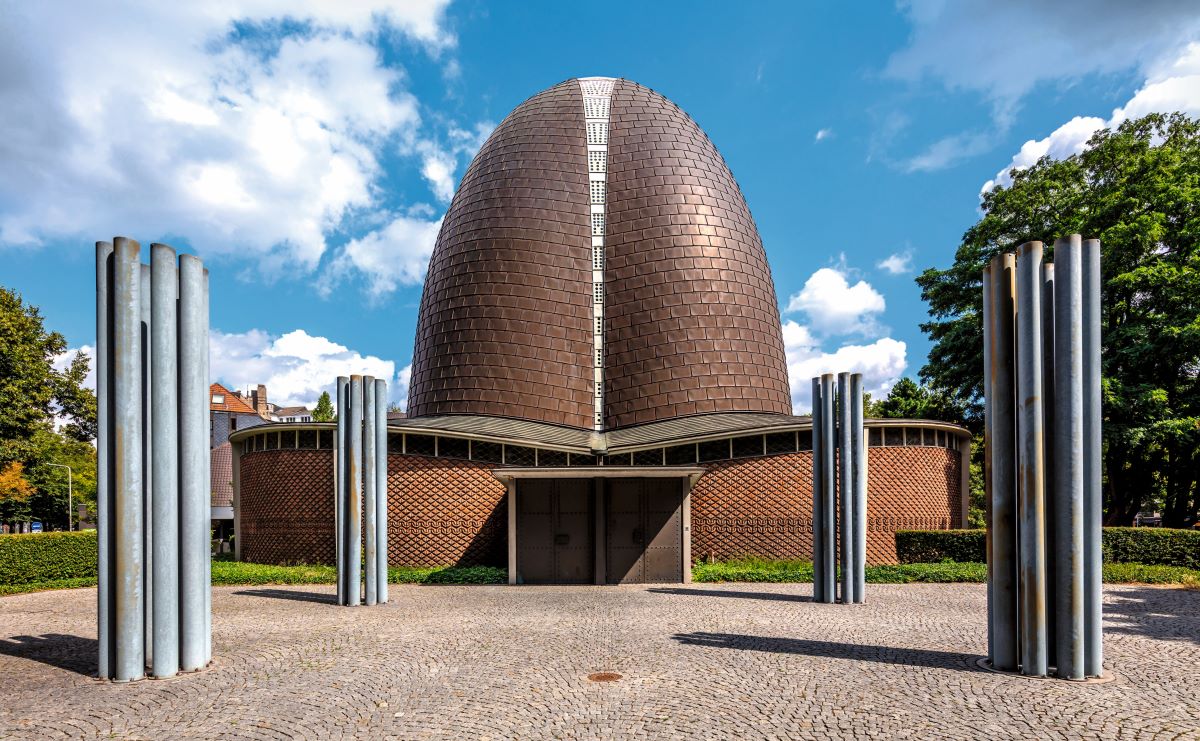
Book review: Atlas of Mid-Century Modern Masterpieces
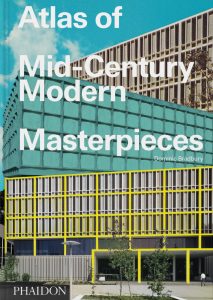
The newest entry into a genre Phaidon is renowned for — a visually rich tribute to large-scale architectural achievements that will test the structural integrity of your bookshelf — the expansive Atlas of Mid-Century Modern Masterpieces showcases 450 iconic designs from the global post-war boom of the mid-20th century, highlighting the optimism and creativity of the 1950s and ‘60s. Unlike many works focused on residential Mid-Century Modernism, this book examines monumental projects such as Welton Becket’s Capitol Records building, Mies van der Rohe’s Seagram skyscraper, and Kenzō Tange’s Tokyo Olympic gymnasium, alongside lesser-known gems like an Arctic cathedral in Tromsø and a hospital in Libreville.
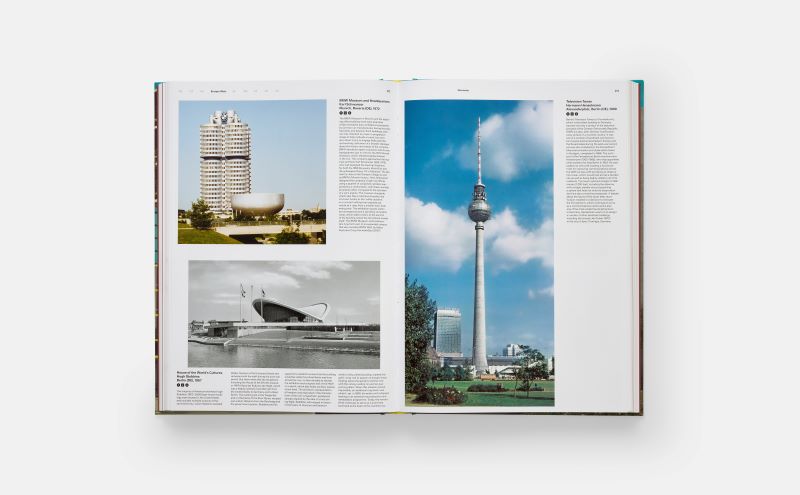
Organized geographically and packaged in Phaidon’s signature “atlas” format, one which author Dominic Bradbury is a veteran (other titles by the publisher’s go-to “atlas” guy include the Atlas of Mid-Century Modern Houses, the Atlas of Interior Design, and Mid-Century Modern Designers set to be released in spring 2025), the book pairs each structure with brief descriptions, striking photographs, and contextual maps. It also uses icons to explain the buildings’ original purposes, current conditions, and historical significance.
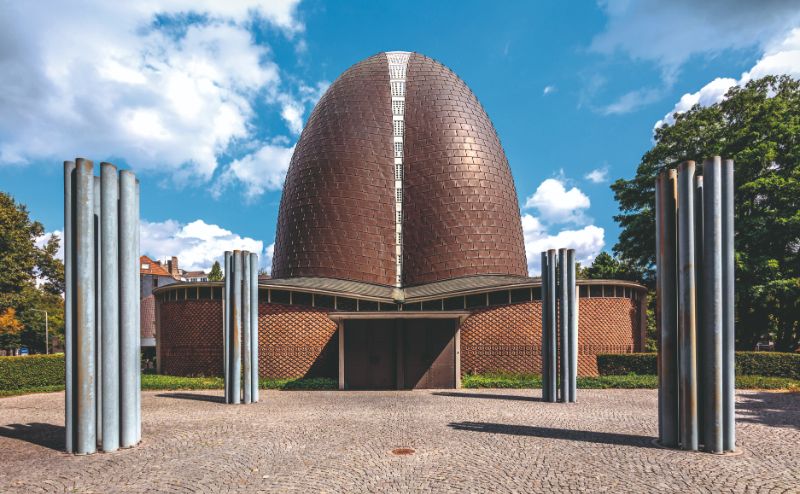
 This comprehensive survey spans continents, documenting embassies, airport terminals, university campuses, and more. However, students of Canada’s architectural history, particularly this beloved architectural movement, may be disappointed by the few and somewhat predictable Canadian entries: Simon Fraser University; Precious Blood Church; Massey College at the University of Toronto; Toronto City Hall; Ontario Place; and the U.S. Pavilion at Expo ’67. But in fairness, Canada had been in the architectural shadow of other countries for decades, coming to the game late as it were. Something many argue is persistent behaviour even to this day.
Overall, the tome aptly highlights the transformative role of Mid-Century Modernism in city-building, but its focus on iconic designs may inadvertently marginalize the grassroots movements and societal challenges of the era. While the optimism and innovation of the post-war period are palpable, a deeper critique of how these designs shaped urban environments—both positively and negatively—could have enriched the narrative. For instance, many Mid-Century developments prioritized monumentalism, sometimes at the expense of human-scale livability.
Additionally, the book’s reliance on visual appeal risks overshadowing the nuanced social, political, and economic contexts of these projects. However, its accessible format and global scope are commendable, providing a valuable entry point into understanding how Mid-Century design shaped modern cities. It is a must-have for design enthusiasts but would benefit from a more critical perspective on urban impacts.
As featured in the November-December 2024 issue of Canadian Interiors magazine.