


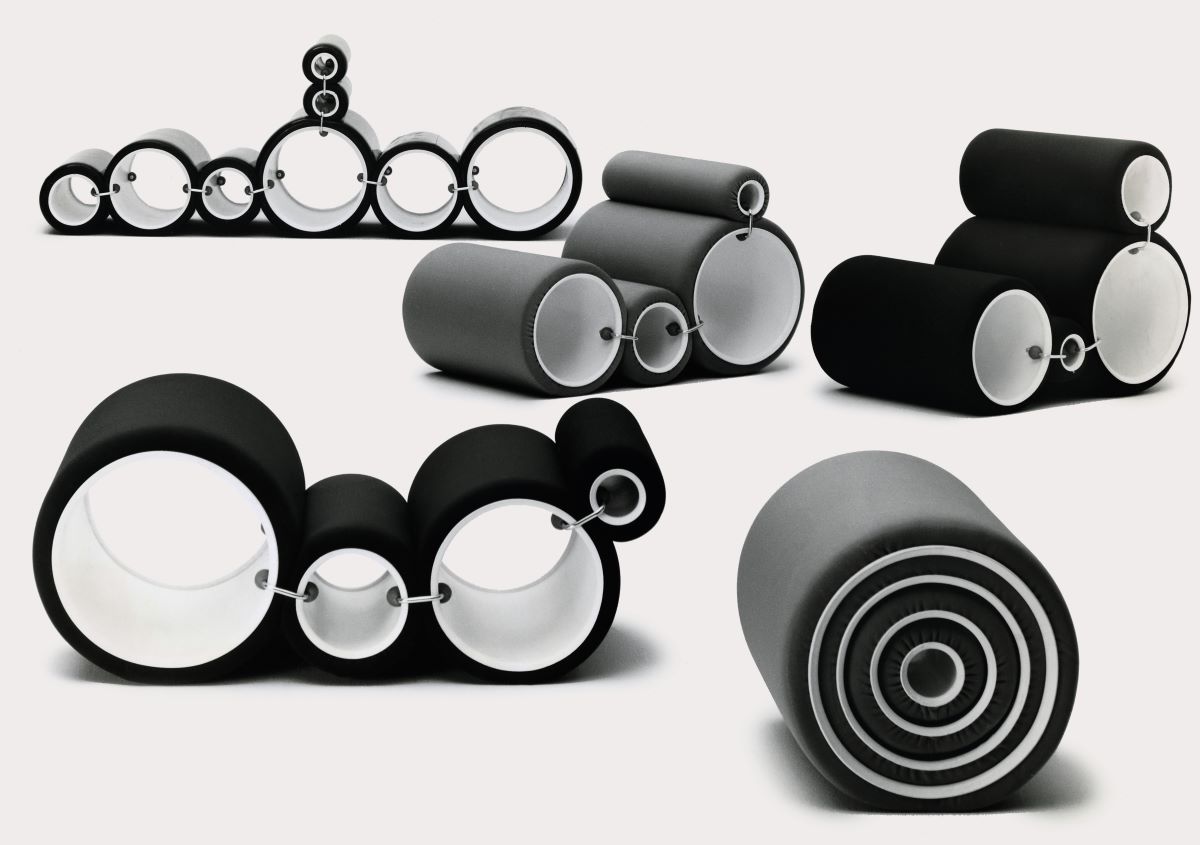
Book review: Mid-Century Modern Designers
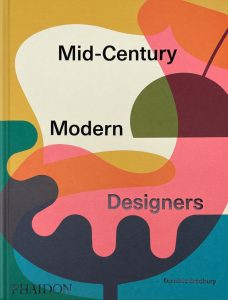
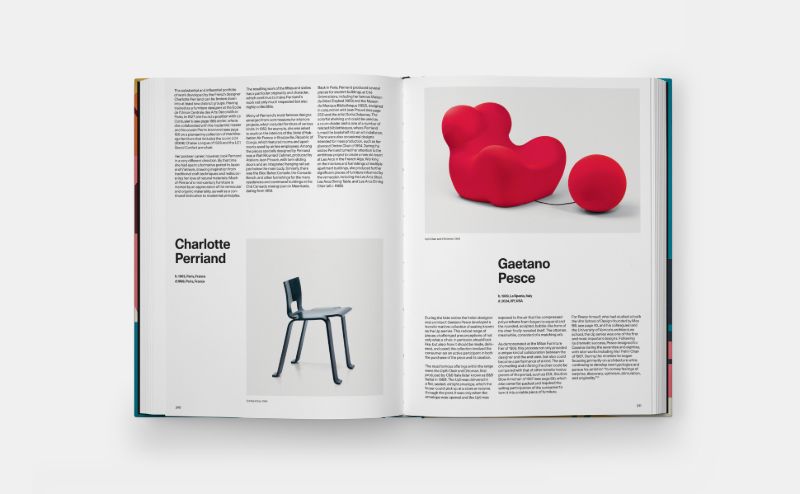
The newest title in Phaidon’s ongoing and impressive cataloguing of the “greatest hits” from a period many consider the golden era of design, Mid-Century Modern Designers by Dominic Bradbury pays tribute to the pioneering designers who shaped the mid-century modern aesthetic across disciplines such as furniture, glassware, ceramics, and textiles. Highlighting 300 designers from around the world, the book explores how postwar optimism and economic expansion fueled a movement that sought to democratize design, making it both functional and accessible while remaining joyful and inspirational.
Key figures such as Alvar Aalto, Charles and Ray Eames, and Arne Jacobsen embraced the principle that good design could improve everyday life. The book features an A-Z format, presenting both renowned and lesser-known designers, and offers insight into iconic works such as Hans Wegner’s Butterfly Chair, Anni Albers’ textiles, and Mario Bellini’s Camaleonda sofa. While not exactly an industrial design deep dive, Bradbury does expand the scope to include some interesting pieces that could fall within the “consumer goods” spectrum and reflect changing attitudes toward style and taste, such as automotives, tableware, appliances, and so on (a contingent of obvious polymath architects and designers are included, but the book focuses on product design and not their buildings. Those can be seen in other Bradbury titles for Phaidon such as Atlas of Mid-Century Modern Masterpieces and the Atlas of Mid-Century Modern Houses).
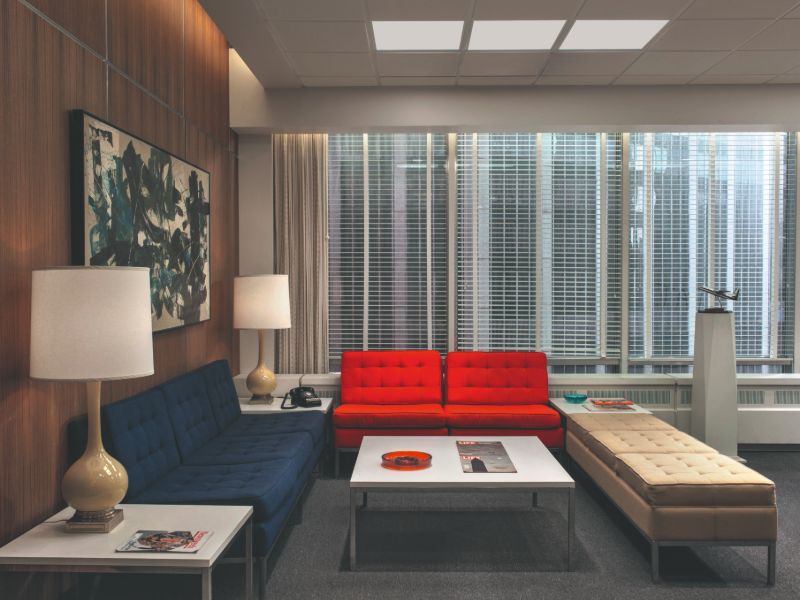
One of the book’s strengths is its commitment to presenting mid-century modernism as a global phenomenon rather than a Euro-American movement, and showcasing pieces from further afield such as Japan, Australia, Brazil and Mexico. However, what is aggravating is a complete lack of Canadian offerings: no Robin Bush, Peter Cotton or Walter Nugent? Disappointing. Additionally, while the tome celebrates the optimism of democratized design, a light sprinkling of critical commentary on its limitations, such as the movement’s reliance on industrial production, which often led to economic constraints on true affordability. Moreover, while emphasizing aesthetics and accessibility, the book could have also explored a bit more of the socio-political dimensions of mid-century design, particularly its intersection with gender and labour.
Nevertheless, Mid-Century Modern Designers is a valuable and visually engaging resource, reaffirming the enduring appeal of a design movement rooted in optimism and innovation. Beyond a mere catalog of design pieces, the book contextualizes mid-century modernism’s enduring influence, cementing its place in contemporary interiors and consumer culture. It serves as both an inspirational and practical resource for collectors, creatives, and enthusiasts.
As featured in the May-June 2025 issue of Canadian Interiors magazine.