


ARIDO Journal: Co-Creating a More Inclusive Future
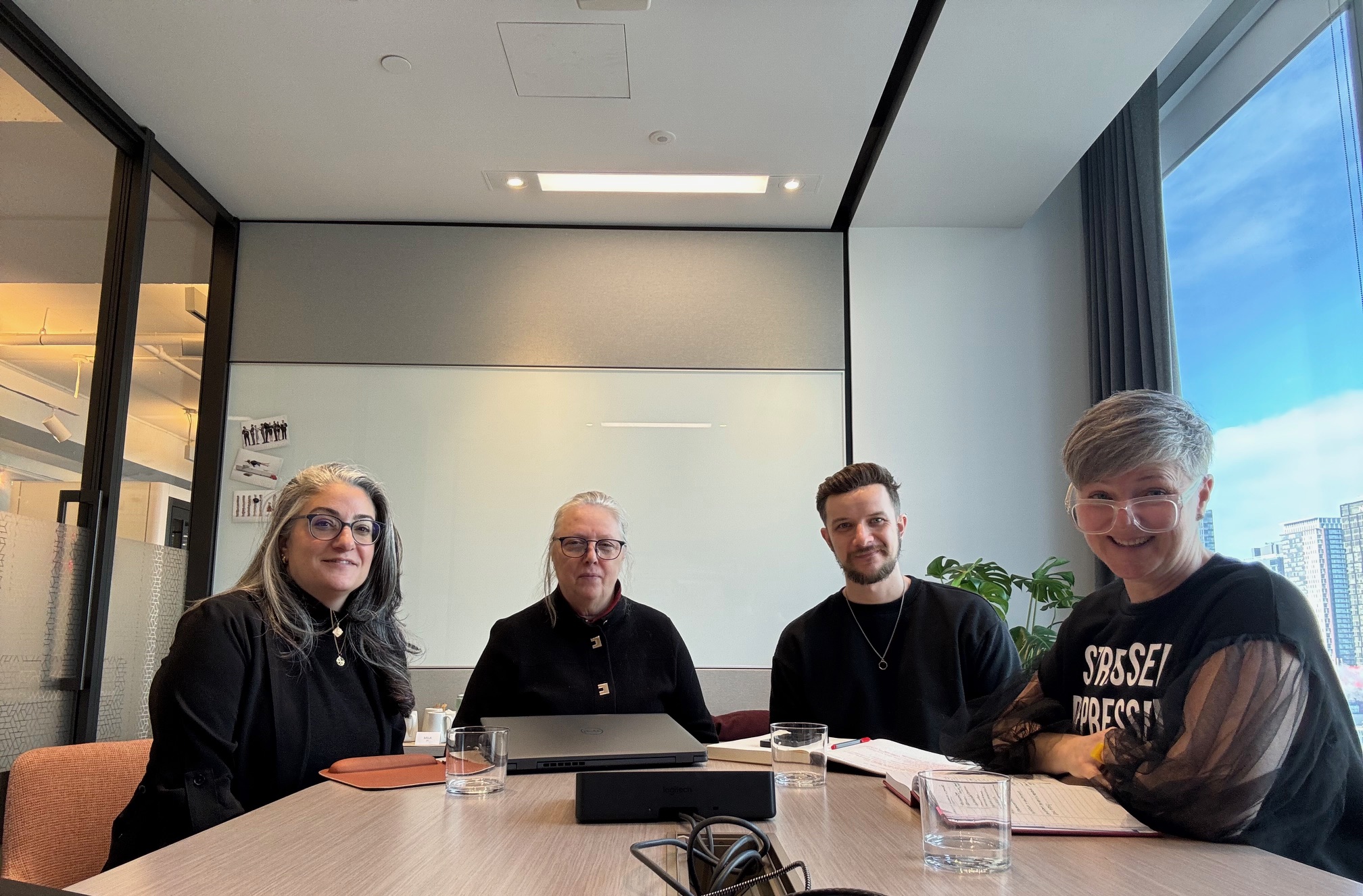
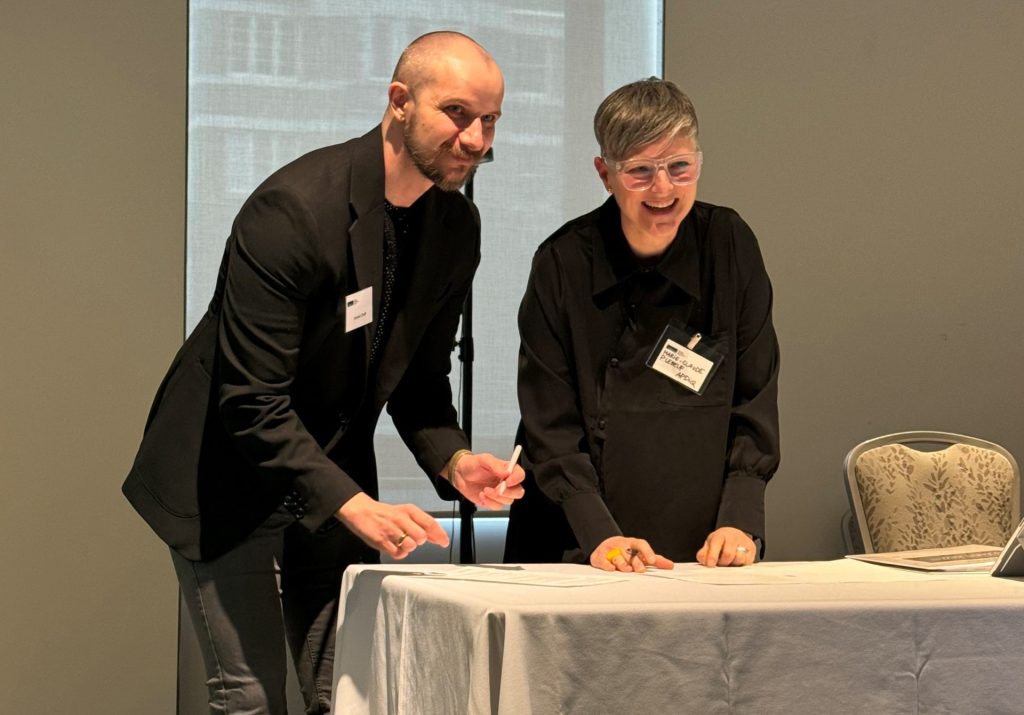
On March 28, 2025, in Ottawa, the Association of Registered Interior Designers of Ontario (ARIDO) and Association professionnelle des designers d’intérieur du Québec (APDIQ), entered into a Mutual Recognition Agreement (MRA) between the two jurisdictions that will ensure reciprocity and recognition of qualified members in both Ontario and Québec, respectively.
The relationship between APDIQ and ARIDO is not new and has been robust and steadily growing over the past 10 years, with committed leaders ensuring respect and camaraderie every step of the way.
With such political and economic uncertainty currently surrounding Canada, it’s an important time as Canadian leaders to demonstrate unity, respect and cohesion while elevating our internal economy. Our respective members rely on this leadership team to be innovative and forward-thinking, all while ensuring the qualifications process continues to protect public interest.
The MRA signed by Ontario and Québec also represents a unified approach to a more inclusive and progressive qualifications journey. Too often, identity crises play into a political approach in response to a lack of understanding and recognition by the public of the profession of interior design. Where regulation of interior design doesn’t exist, unqualified practitioners are enabled to offer services, submit for permits and hold themselves out as Interior Designers. While it continues to plague most provincial jurisdictions in Canada, a defensive, outdated approach won’t solve the issue.
The strategy of building awareness and recognition of interior design often leads with the importance of regulation for public protection. This public protection position has long led the communications strategy in educating the public and legislators about the profession because it is felt that this gives us credibility and distinction and sets us apart from the unqualified. Yet while the profession of interior design and its qualified scope is founded in technical expertise and centered on designing safe and compliant spaces, the profession of interior design is more than that.
Interior Designers have always been stewards of interior spaces. They address spatial challenges by identifying human-centered solutions founded in research, technical expertise and training. Every space is designed with human end-users in mind, including wayfinding, wellness and optimal form and function, to name only a few. This is why identity politics focused around reinforcing professional recognition via health and safety can no longer be the only leading conversation around the future of the profession.
As Québec and Ontario continue to work together via this MRA, the leadership teams have embraced more innovative and modernized approaches to the qualifications process. This requires a commitment to breaking free from outdated patterns while dropping biases that lean heavily towards identity politics or equal recognition to that of architects and engineers. The primary focus has been re-envisioning how competencies-based assessments paired with public protection can evolve to where it mimics and better reflects how one practices interior design.
For leadership to balance the responsibilities of public protection and inclusive pathways, it needs to drop antiquated biases and perspectives around unnecessary qualifications barriers. Gone are the days where restricting access to entry to a profession is overlooked by government bodies. Public protection cannot exist where the public or business owners do not have access to a diverse and robust group of qualified practitioners for hire. It also cannot exist where unqualified practitioners, whether seasoned or internationally trained, feel there is no fair or accessible pathway to become qualified.
Public protection is heightened where relevant qualifications processes and tools are used to determine if someone is ready to enter a profession and practice independently, without ongoing supervision. Entry to practice is assessed following the successful completion of the Education and Supervised Work Experience requirements. Any entry-to-practice tool must properly assess the knowledge and skills a candidate has in relation to how one practices the profession daily and does so competently.
The MRA represents two provinces sharing parallel perspectives, experiences and hopes for the future of the profession. It also represents actively listening to our members and the barriers which have been experienced in getting qualified. It represents the courage to innovate differently and move against the traditional direction, knowing it may be challenged by those not ready for change. It requires holding your ground even if others disagree or choose to misinterpret, whether intentionally or unintentionally, the proposed approach at hand.
We all know that change can be hard for many, and that continuing on a standard, yet outdated path creates a sense of comfort because it is what we have known and leaned on for decades. But by leaning into the discomfort of change we have been able to modernize practices that better define the competence and value of the interior design profession while assessing individuals via an approach that is reflective and relevant to the practice of the profession.
Evolution is vital to the future. As we watch the upending of progressive policies occur in bordering countries, it is important now more than ever for Canadian leadership to demonstrate a human-centered and progressive approach that is founded on intelligence, modernized tools and a collective, unified approach where all voices can be heard, ideas considered, and segregation a culture of the past. For where segregation and exclusive practices exist, we remain divided as a country and distracted from the real work ahead on behalf of our members and in the spirit of public protection.
Sharon Portelli is the executive director of ARIDO and has 25 years of experience in regulatory organizations focused on qualifying professions.
Since 1934, ARIDO has been the self-regulatory body for interior design in Ontario, focused on protecting the public and furthering the profession.