


The Goods: Wallcoverings
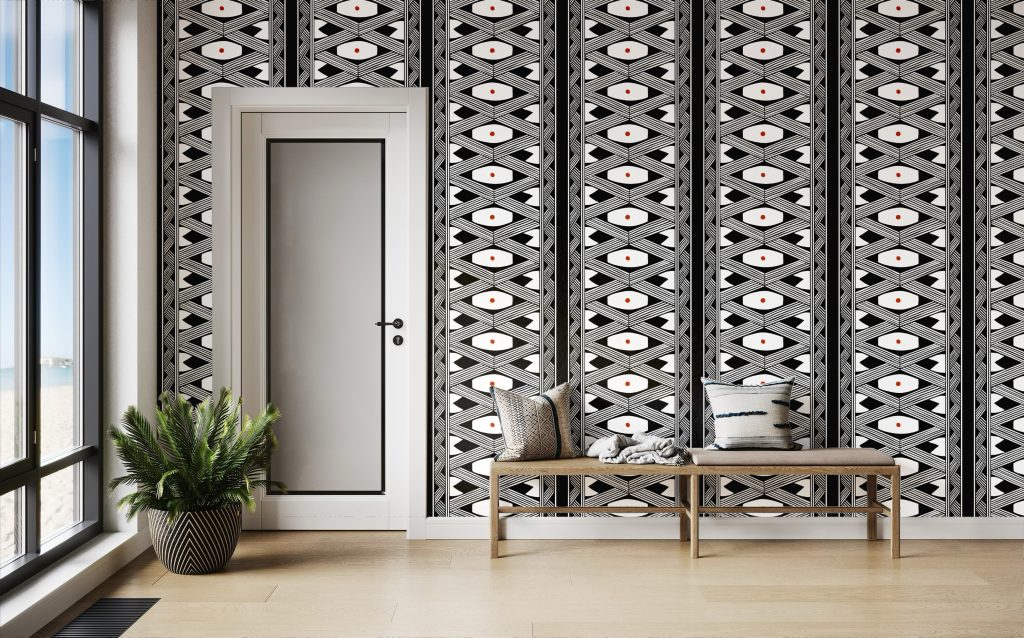
The Brave Ones | Anduba
Founded by Flavia Pereira, the company partners with Indigenous artists to create sustainable wallcoverings. Anduba is one of six founding participants in the Living Future Institute’s Declare Equity Pilot Program, selected alongside industry professionals including Mohawk, Tarkett, and Hightower. The Brave Ones features patterns created by artists from Brazil, Mexico, and the United States, and is rooted in Indigenous traditions, practices, and symbolism including body painting, traditional weaving techniques, ancestral embroidery and more. The collection translates each collaborator’s art into repeatable patterns suitable for architectural scale, bringing Indigenous art and perspectives into contemporary spaces. Patterns include Ganado Tapestry by JayCee Beyale, Threaded Lines and Web of Life by Miguela Moura, River Eye by Waxamani Mehinako, Canyon Echo by Steven Yazzie, and Spirit Companions and Sacred Messenger by Cuauhtémoc Wetzka. The collection is also rooted in sustainability, using sustainable, healthier materials and made-to-order production to avoid waste.
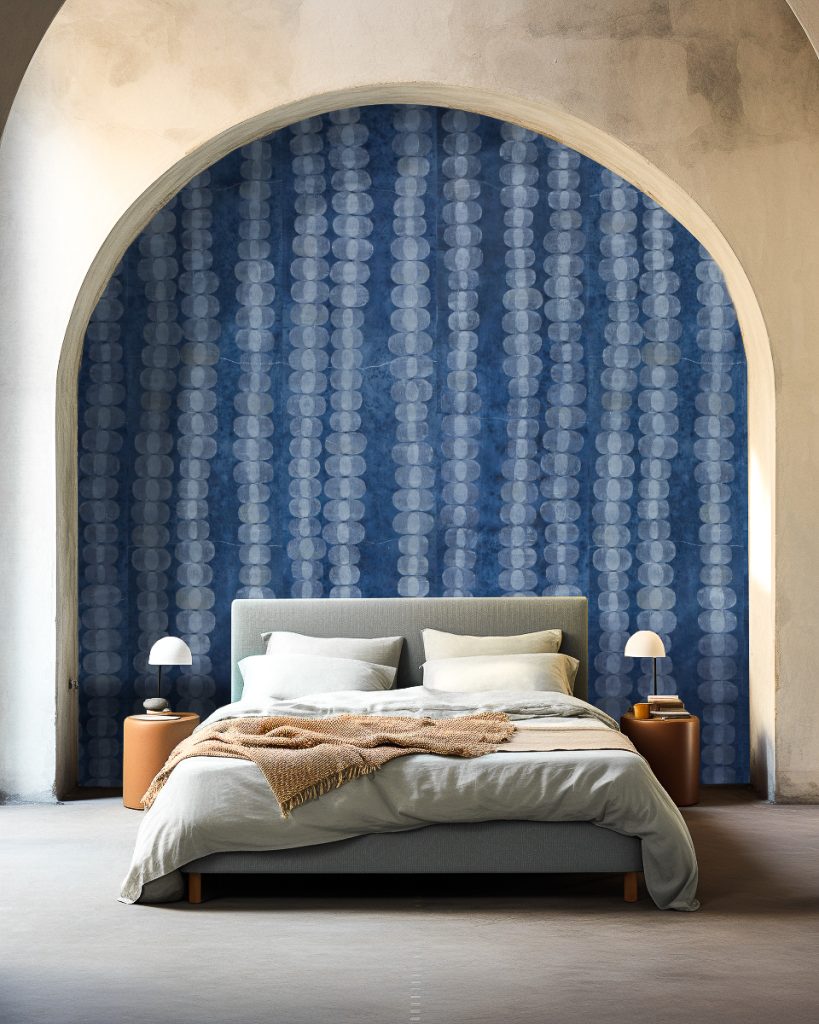
Founded in 2012, Fabscarte is a Milan-based wallpaper brand founded by Luigi Scarabelli and Emilio Brazzolotto. The company transforms hand-painted wallcoverings into tactile works of art through a rare handmade technique rooted in Renaissance decorative tradition and often attributed to Leonardo da Vinci. In its Milan studio, artisans work by hand with layers of tissue paper, stucco, oxidized pigments, metallic dusts, and painted details to create textures and reliefs. Inspired by nature, their work is never literal but deconstructed into a bold, contemporary twist. The company’s wallcoverings are used in residential, retail, and hospitality spaces. Its work combines art and design, with the aim of evoking emotion along with decorating a space.
“Real craftsmanship is a continuous process. It’s about moving a venerated art form along the creative continuum – experimentally and completely by hand,” said Scarabelli.
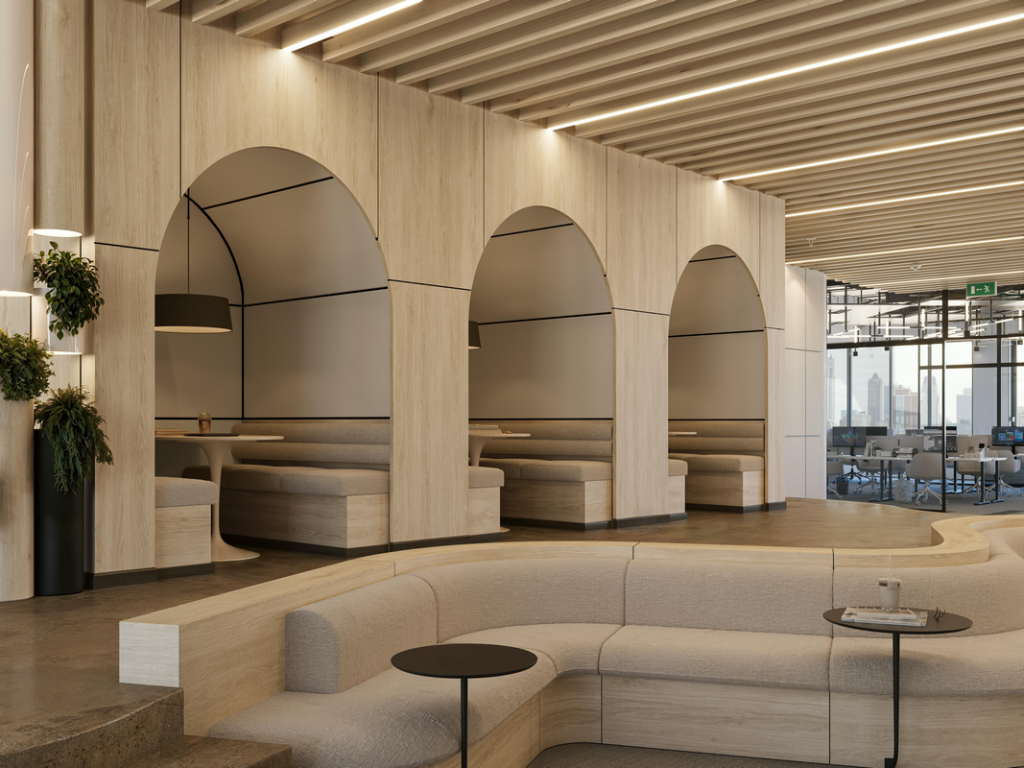
ICONIQ | Tafisa
ICONIQ is a collection of decorative surfaces made of melamine (TFL) and high-pressure laminate (HPL), and was unveiled during the very first Montréal Design Week. Based on synchronized embossing technology, the collection uses a process in which the pattern and texture align. Tafisa specializes in the manufacture of particleboard and decorative surfaces. The company manufactures its decorative panels at its Lac-Mégantic plant, and primarily supplies materials for kitchens, furniture, office furnishings and built-in cabinetry, working in collaboration with cabinetmakers, manufacturers, and distributors. With ICONIQ, Tafisa uses a technology it has developed over the past 10 years: synchronized embossing. The technology is based on the principle of exact alignment between the printed pattern and textured surface. All visible wood grain extends into the material, creating a continuous pattern and texture across the surface.
The choice of oak as the foundation of the collection references a widely recognized wood species in the world of design. Oak is a species found in many settings, allowing for the exploration of different tones within the collection. The collection comes in six wood tones, ranging from pale blond to deep brown. Two solid colours, a black and a pale, slightly greyish beige, round out the collection. The different options are designed to complement compositions where wood tones and textures are combined within a project.
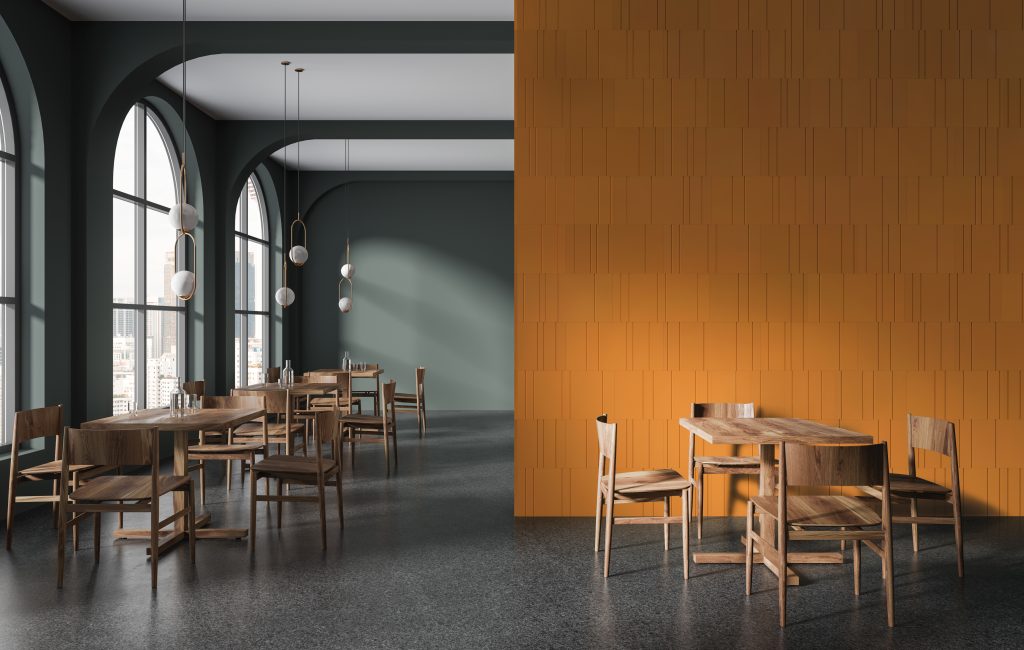
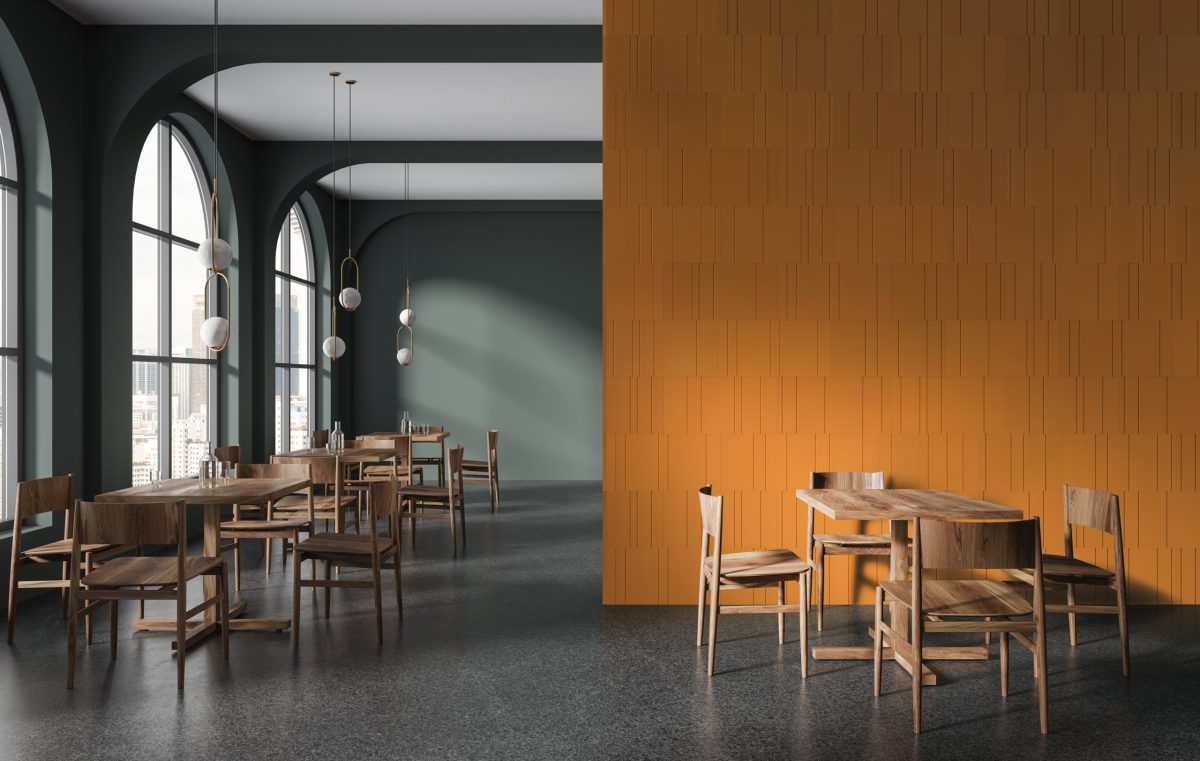
Echo Wall Covering | Submaterial
Created by Submaterial, this product is a surface system made with cactus leather and an acoustic substrate. Echo features soft vertical seams in cactus leather, creating a textured surface with a vertical pattern. The tile-based system combines Nopal cactus leather, sourced from Desserto and produced through a resource-efficient process, with a recycled, sound-dampening acoustic substrate. Founded in 2006, Submaterial is a New Mexico–based design studio and manufacturer creating handcrafted architectural products for residential and commercial interiors. Working with materials including wool felt, cork, wood, and leather, the studio produces modular, made-to-order designs, with an emphasis on material selection, customization, and manufacturing. Led by principal David Hamlin, Submaterial’s work combines art and design and has been featured in architecture and design publications.