


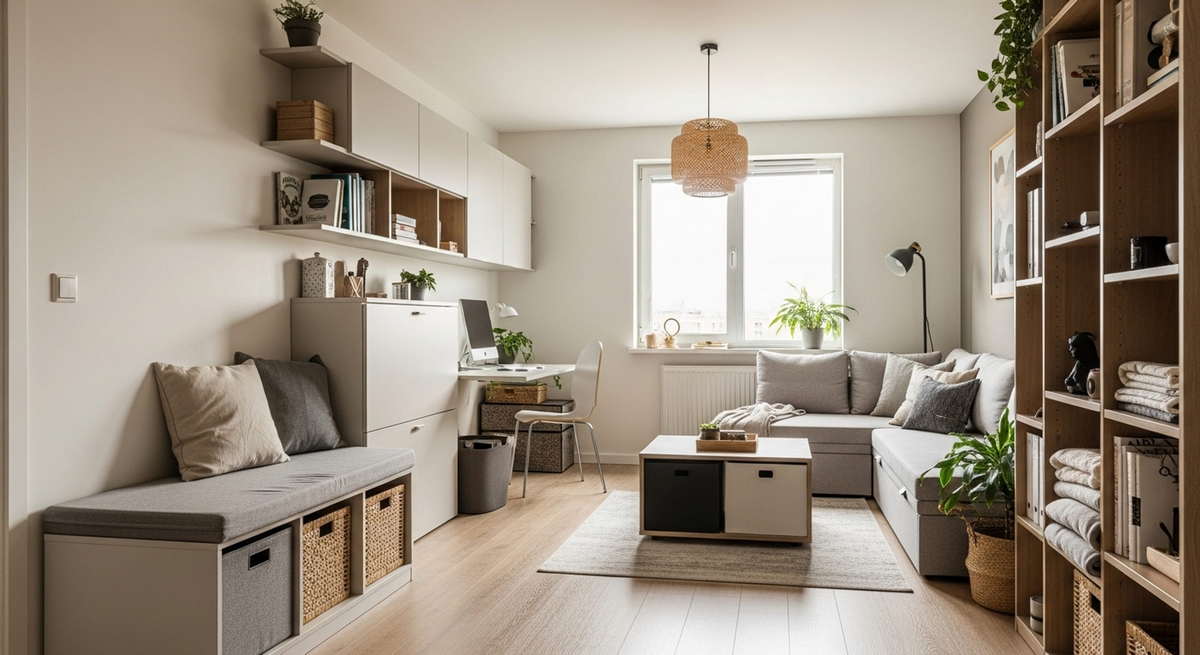
Small space, smart style: multifunctional furniture ideas for student rentals
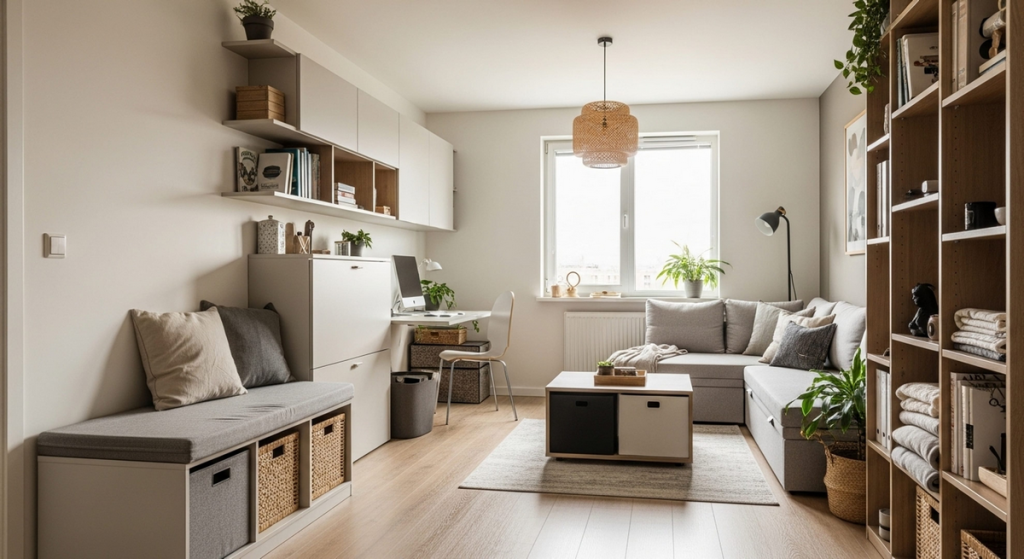
Student rentals are usually compact. Unlike dorm life, a single suite often has to accommodate studying, sleeping, storage, and socializing, without a lounge or study room down the hall. The approach is to make every square foot work toward these four essentials by selecting furniture that can serve multiple purposes. If Ottawa is on your list, look for apartments with suites designed for students, walkable locations, study and fitness amenities, and flexible layouts that support a balance of productivity.
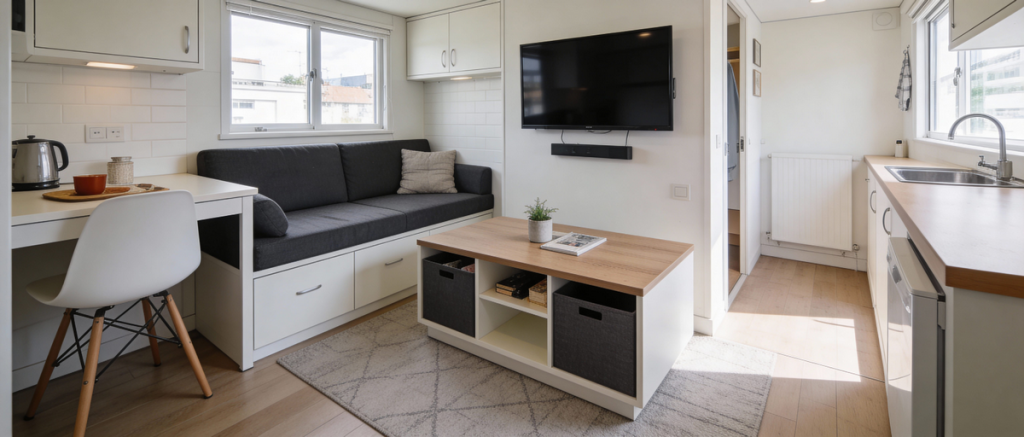
 With space at a premium, compact suites work best when each item serves at least two functions. When considering what may work best in smaller spaces, think about what items will serve multiple purposes. Fold-down, wall-mounted, or nesting designs keep circulation clear and make reconfiguration easy, while drop-leaf and gateleg tables have long been a staple for small spaces because they expand when needed and shrink when not. Building on these principles, there are many furniture options that support daily living while remaining compact. For instance, seating with hidden storage, such as ottomans or entry benches, can hold linens, devices, or textbooks, while dining surfaces that double as desks offer a practical way to support both meals and study time.
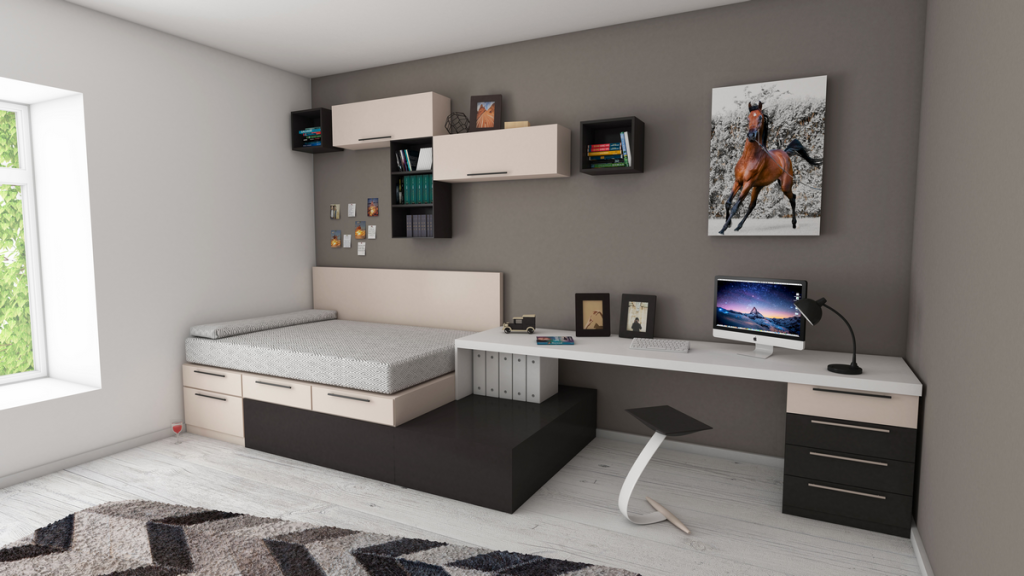
Creating a dedicated study area, even in a bachelor or one-bedroom suite, can make a noticeable difference in focus and productivity. The essentials are a neutral posture, a chair and desk that fit your body, and layered lighting to minimize glare. The Canadian Centre for Occupational Health and Safety (CCOHS) outlines core workstation ergonomics and lighting principles that are also applicable to small home setups. Within that study space, compact desks play an important role. A wall-mounted fold-down desk closes to a slim panel when not in use, freeing up floor area, and often includes built-in cable management. A slim console paired with a counter-height stool is also a great option if you’re looking for a breakfast bar and laptop station that avoids blocking walkways.
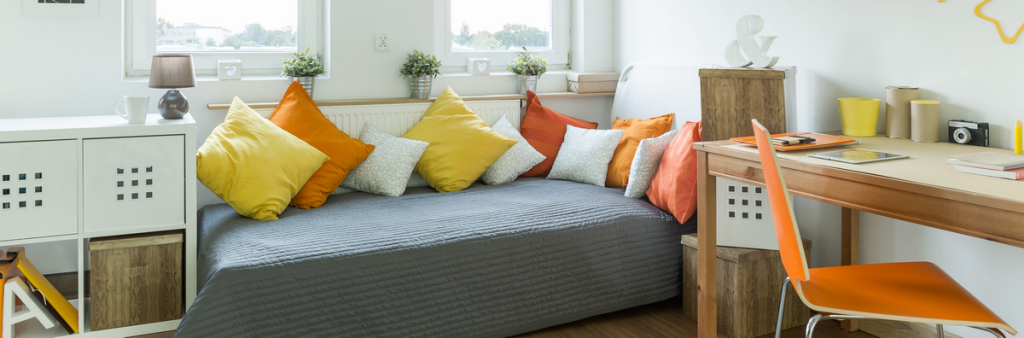
For added flexibility, a rolling laptop cart can be moved to a window for daylight studying and tucked away after use. Keeping the area organized further supports productivity. Using pegboards, magnetic strips, and vertical files above the work surface keeps tools visible while keeping the desktop clear. Similarly, under-desk drawers and clip-on power bars can hold notebooks and cords out of sight while remaining easily accessible. Try damage-free hooks and cable clips to keep cords, headphones, or chargers organized when drilling isn’t allowed; they reduce clutter that interferes with focus.
Sleep is another area where smart choices matter. Sleep quality correlates with academic performance, and in a semester‑long study at MIT, students who slept longer and more regularly earned higher grades. This underscores that rest isn’t optional during demanding semesters. Space-saving sleep options should go beyond basic bed frames. Sofa beds designed for regular use require assessing the frame type (pull-out, click-clack, or hybrid), mattress support, and ease of conversion between seating and sleeping positions. A more popular alternative is to opt for daybeds with drawers; the additional storage reduces the need for extra case goods, and a trundle can accommodate occasional guests without requiring permanent space loss. If your space allows, lofted bed frames can open up space for a compact study setup or seating underneath. Even smaller choices, like nightstands, can make a difference. Narrow carts, wall shelves, or C-tables keep essentials within reach while preserving circulation space, while floating corner shelves and headboard storage provide functionality without taking up valuable floor space.
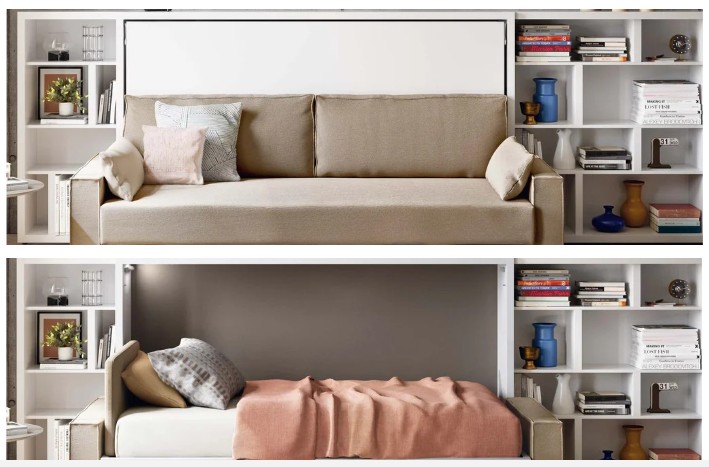
Storage, however, remains one of the biggest challenges. Clutter spreads fast in small suites, so the fix is to claim vertical surfaces, keep categories contained, and rotate seasonal items so active storage stays lean. There are several effective ways to save floor space. Storage ottomans and benches can be placed at the window or entry, while bed risers with drawers and vacuum bags accommodate off-season clothing and bedding. Floating shelves flanking the TV or desk also help clear the floor. This is only the surface of what options are available. Portable storage adds another layer of flexibility. Three-tier rolling carts can move between kitchen tasks and study supplies, and nesting tables can serve as a coffee table, snack stand, or extra seating. The added flexibility these options offer lets you customize your space to fit your needs and routine.
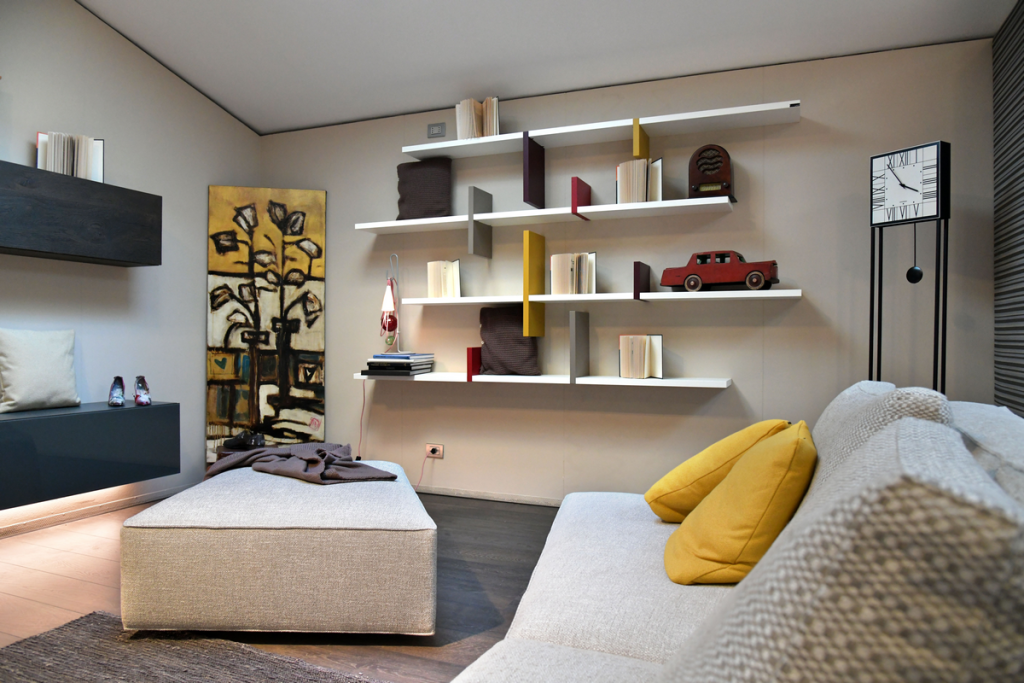
Even shared areas benefit from this flexible approach. A small living area still needs to handle group projects and movie nights. The goal is quick reconfiguration instead of permanent sprawl. Modular seating cubes or storage ottomans that can combine into a sectional and separate when you need floor space are a great option that can move with you. Drop-leaf tables are also helpful in smaller spaces because they can expand for group work or potlucks and fold to console depth for everyday use. Small additions can also have a meaningful impact. Minor add-ons help maintain balance across study, sleep, storage, and social zones. Over-door hooks and tension rods add storage for coats, bags, or closet dividers without requiring permanent fixtures. Mirrors placed opposite a window can bounce light and make compact rooms feel larger, while collapsible hampers, nesting cookware, and stackable shoe racks keep routines efficient and make moving easier.
Bringing everything together starts with a few multifunctional anchors, such as a drop-leaf dining and desk surface or a convertible bed with reliable support. Adding mobile storage and renter-safe hardware builds on that foundation, creating a setup that supports study, sleep, storage, and social life from move-in day to finals week.
Gursimer Kaur is an architectural coordinator at InterRent. A graduate of Algonquin College’s Architectural Technology program, Kaur brings a background in residential design, renovations, and development planning to her role as architectural coordinator at CLV Group and InterRent. Her experience spans residential renovation, office-to-residential conversions, space planning, and interior decorating, including selecting finishes, furnishings, and details that bring warmth and character to the spaces.