


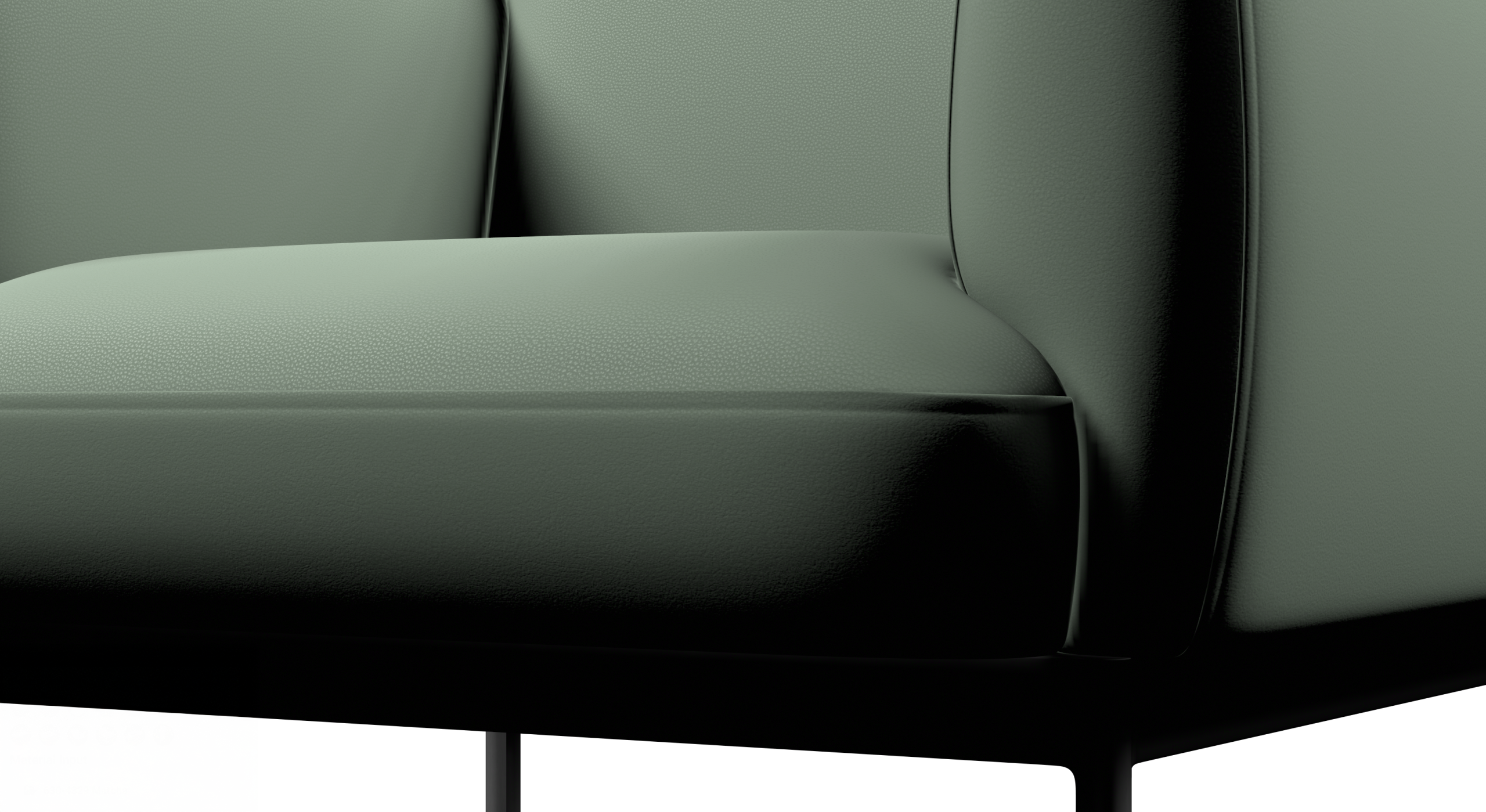
Comfort is not a single number: rethinking how we specify comfortable seating
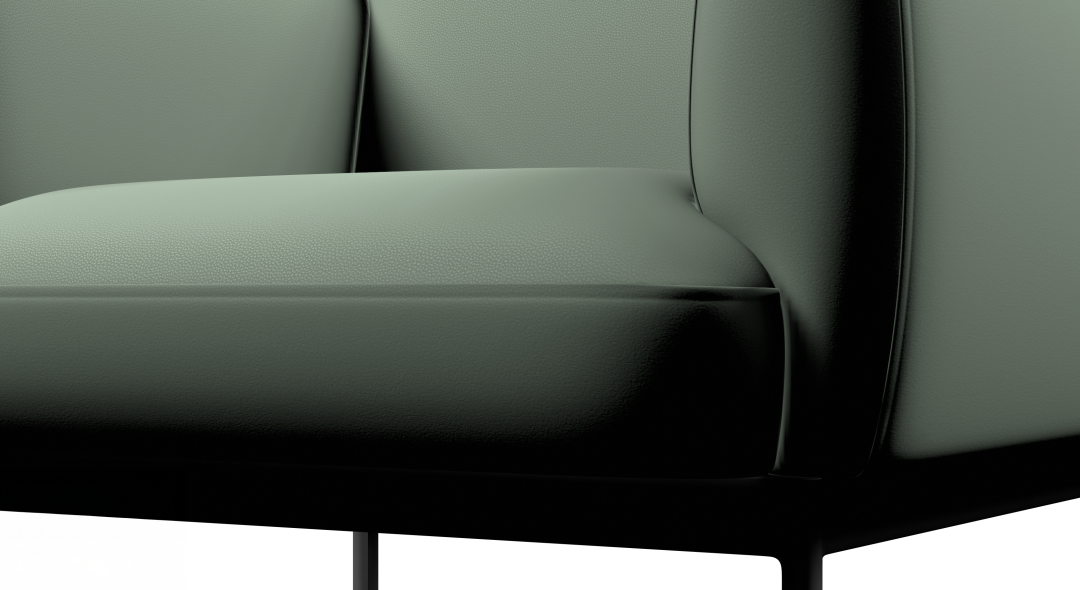
Most seating comfort is judged in a matter of seconds. A designer may press a palm into a sample, run a hand across the surface, or maybe sit for a moment in the showroom, and then form an opinion. Yet seating is rarely experienced in such short intervals. People need to remain comfortable through a two-hour board meeting, a twelve-hour shift, or an overnight flight.
Comfort is one of the most requested qualities in seating, yet it remains one of the least clearly defined. The industry often treats it as a single characteristic that a material either possesses or lacks. In reality, it’s a set of physical behaviours that show up at different moments of contact, and they matter differently depending on the application.
Measuring what we usually feel
Comfort is personal, but many of the properties behind it can be measured. The FILK Freiberg Institute, an independent, accredited research institute in Germany specializing in flexible polymer materials, conducted comparative testing of common upholstery materials, including polyurethane, vinyl, silicone, and bonded leather, across 11 physical parameters tied to the seated experience.
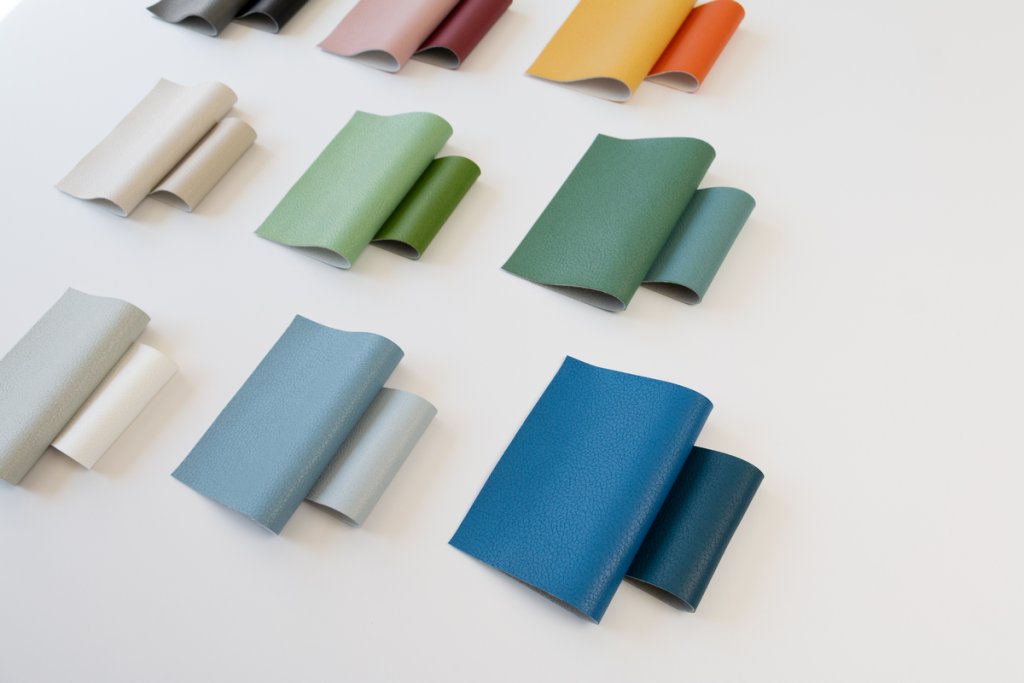
The research reinforces an important distinction: no single measurement can fully define comfort. For example, materials that felt similar at first touch performed very differently once heat and moisture entered the picture. Moisture vapour transfer can vary by more than 20 times between samples. Peak heat flux, a measure of how quickly a surface draws heat from the skin upon contact, can range from under 200 W/m² to more than 750 W/m². Two swatches can look and feel nearly identical in a sample library, but still deliver very different experiences an hour into use.
The first impression and the long game
For designers and specifiers, it can be helpful to consider comfort in two phases. The first is the initial tactile experience, shaped largely by softness and flexibility. How much does a surface give under pressure? How easily does it bend and drape over a cushion’s contours? Does it feel supple or stiff? These are qualities we can evaluate almost immediately through touch.
The second phase, however, is sustained contact, and it is largely driven by thermal behaviour and moisture management. Heat transfer determines whether a surface feels shockingly cold or hot when you first sit, and how quickly it settles toward body temperature. Thermal resistance affects how much warmth builds up over time. Water vapour permeability determines whether the moisture our bodies naturally release can escape through the material or stays trapped at the surface. That is the difference between a seat that feels fine after an hour and one that leaves you peeling yourself off it. A material can excel in one phase and struggle in the other. That is why comfort is better understood as a profile than a score.
Different priorities for different spaces
Once comfort is treated as a set of properties, it becomes clear that the right balance depends on the application. In aviation and transportation, passengers sit for long, uninterrupted stretches in what are often small spaces with limited control over their environment. Breathability and stable thermal behaviour move to the front of the list for specifications like this.
In healthcare and long-term care environments, an area of growing focus across Canada, upholstery needs to withstand frequent, rigorous cleaning. Patients and their families may also spend extended periods seated, sometimes even with limited mobility to shift position. Moisture management and a surface that does not run hot carry real weight, alongside cleanability and durability.
In hospitality, first impressions matter most. A lobby lounge chair or banquette has seconds to communicate quality, so softness and hand feel may lead. At the same time, restaurant seating must remain comfortable throughout a long meal, particularly in spaces that experience changing temperatures or transition between indoor and outdoor environments.
In the workplace, task seating supports a full day of focused work, often for extended periods in the same position. Flexibility, breathability, and thermal stability all play into whether people notice their chair by mid-afternoon, and ideally, they don’t notice it at all. While each environment presents different demands, the underlying consideration remains the same: comfort should be evaluated in the context of how a space will actually be used.
What not to overlook
One of the most common gaps in material evaluation is time. Samples are often assessed in short sessions, in temperature-controlled showrooms, with clean and dry hands. These evaluations can provide valuable insight into softness, texture, and appearance, but they reveal much less about how a material performs during sustained contact.
Environmental conditions are another important consideration. Across Canada, interiors may experience significant seasonal variations between dry, forced-air heated winters and humid summers, and spaces with heavy glazing can add direct sun to the mix. A surface’s thermal and moisture behaviour will feel different in a January lobby than in a July patio-adjacent café.
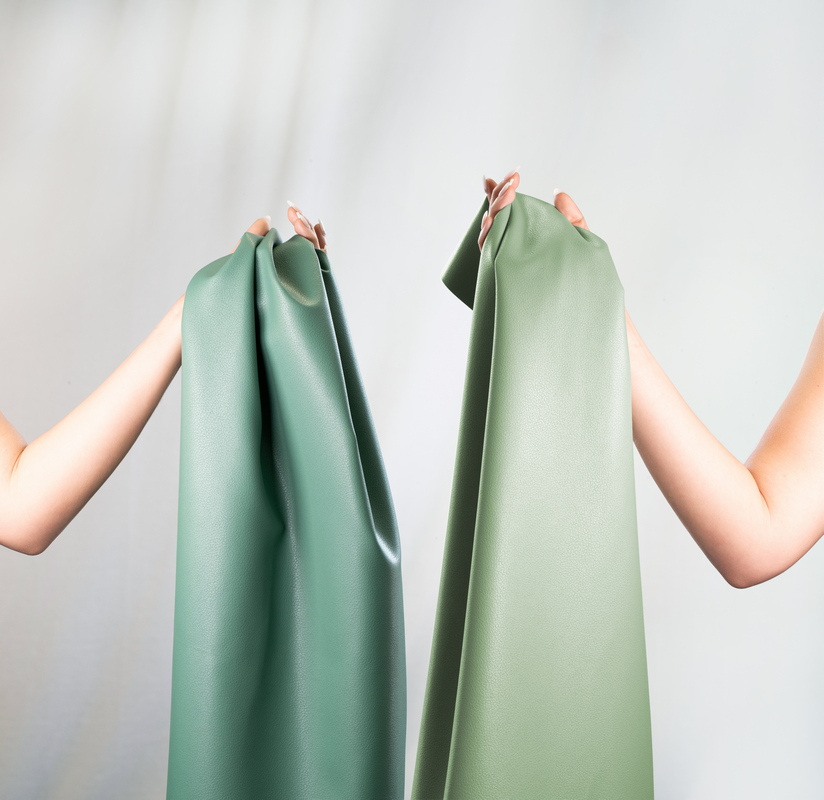
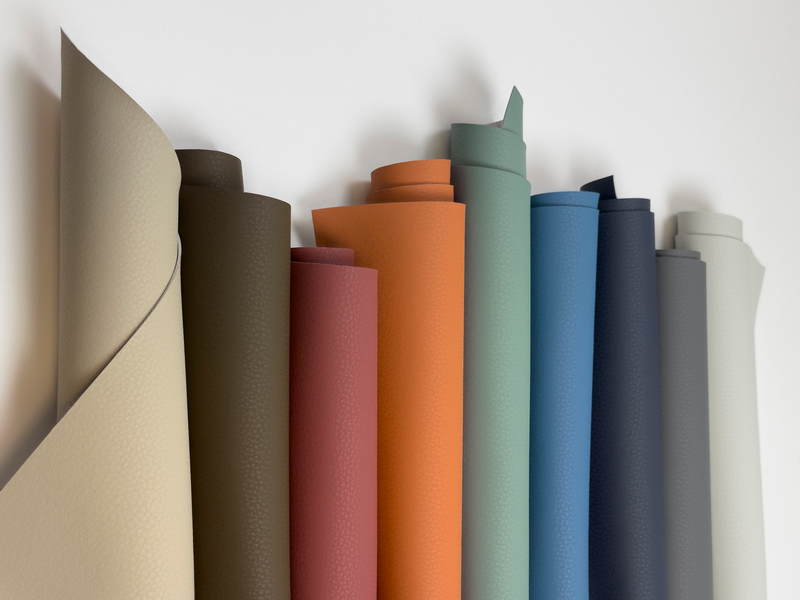
There is also a tendency to make assumptions based on material categories. Coated fabrics and leather alternatives, for example, are sometimes evaluated as though products within the same category offer comparable comfort characteristics. Yet comparative testing reveals meaningful performance differences between materials that may look and feel similar at first glance.
For designers, this presents an opportunity to ask more informed questions during the specification process. Requesting performance data related to thermal resistance, moisture vapour permeability, and other comfort-related properties can provide a clearer basis for comparison and help determine whether a material is appropriate for its intended environment.
These considerations should complement the established criteria designers already weigh, including aesthetics, durability, abrasion resistance, cleanability, water repellency, and sustainability. Comfort-related performance data adds another layer of understanding to the selection process.
Material science is catching up
For a long time, comfort lived mostly in the vocabulary of marketing and personal preference. Advances in material science are making it possible to bring greater precision to that conversation, allowing manufacturers to quantify properties like water vapour permeability, thermal resistance, and heat flux, and to engineer surfaces with those behaviours in mind from the start.
For the design community, this creates an opportunity to move beyond the broad question of whether a material is comfortable and instead consider who will be using it, for how long, and under what conditions.
A long-term care residence, for example, may place greater emphasis on moisture management and consistent thermal performance. A boutique hotel lounge may prioritize softness and drape, while a transportation project may require materials that perform reliably through extended periods of use. Each application calls for a different balance of properties, and understanding those distinctions can lead to more informed material choices.
The familiar practice of evaluating a sample by touch will always have a place in the specification process. Our senses offer valuable insight into a material’s quality, character, and immediate appeal. But that first interaction tells only part of the story.
The seating we specify will be experienced throughout long workdays, extended visits, and everyday routines. By considering the full seated experience, from first touch through hours of use, designers can make material decisions that deliver on the comfort expectations established in the showroom and carried into the finished space.
 Jennifer Hendren is vice president of Product Development at Ultrafabrics, where she guides the development of the brand’s premium performance upholstery for markets worldwide. With more than three decades of experience in the textile industry, she brings deep expertise in global product development and leading innovative design teams, particularly within the furniture and residential sectors.