


Two new immersive installations coming to Toronto’s Power Plant Contemporary Art Gallery
The Power Plant Contemporary Art Gallery’s upcoming exhibition season will feature two solo presentations of works by Swedish visual artist Lap-See Lam and Canadian multidisciplinary artist Charles Campbell.
The exhibitions, which will run from September 21, 2024, to March 2, 2025, will feature immersive installations by both artists that will reflect on concepts relating to memory, movement, and the ocean.
“This season, we are delighted to present two extraordinary exhibitions that invite us to consider diverse narratives that inform our current historic moment. From a profound engagement with nature and its healing powers to a personal exploration of the diasporic condition, the themes of these two exhibitions will undoubtedly captivate the imagination of our visitors,” said Adelina Vlas, head of curatorial affairs.
The exhibitions will be accompanied by a lineup of free public programs that encourage visitors to engage through artist talks, workshops, and tours.
The first exhibition, called Floating Sea Palace by Lap-See Lam is being curated by Julia Paoli, director and curator, The Vega Foundation, Kate Whiteway, assistant curator, The Vega Foundation, Adelina Vlas, head of curatorial affairs, The Power Plant and Frances Loeffler, curator of exhibitions, The Power Plant.
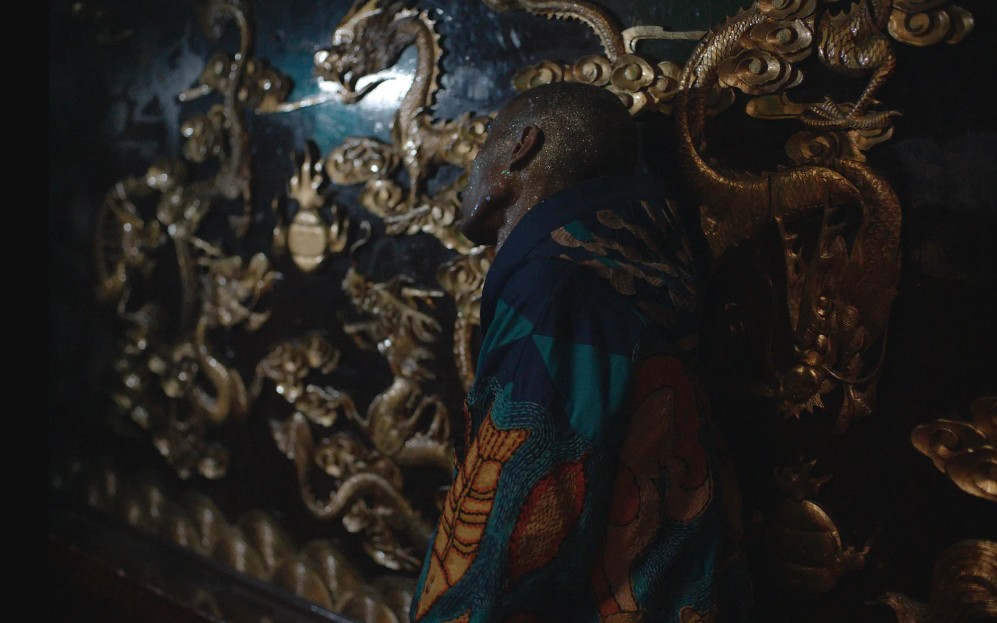
Lam creates video installations that draw on traditional storytelling forms including Cantonese opera and shadow play puppetry. Her work creates alternative representations of Chinoiserie as defined by imperialist history, while also reflecting on her own family history of migration from Hong Kong to Sweden.
This exhibition is her first in Canada, and presents her newest film, Floating Sea Palace (2024), in which Lam draws on the tale of Lo Ting, a mythical human-fish hybrid who is believed to be the ancestor of the Hong Kong people. The film is being presented within an immersive environment built of bamboo scaffolding. This material has been used for hundreds of years as a celebrated art form of Cantonese operas.
Floating Sea Palace, produced in partnership with Moderna Museet, reflects on “transformation, translation, and the longing to return to an ever-shifting home that remains out of reach” and is co-commissioned by The Vega Foundation, Studio Voltaire, and The Power Plant Contemporary Art Gallery.
The second exhibition, called How many colours has the sea by Charles Campbell is being curated by Dominique Fontaine, curator, Toronto Biennial of Art, Miguel A. López, curator, Toronto Biennial of Art Adelina Vlas, head of curatorial affairs, The Power Plant and Frances Loeffler, curator of exhibitions, The Power Plant.
Campbell is a multidisciplinary artist whose work aims to challenge traditional notions of time. It also delves into possibilities arising in the aftermath of colonization.
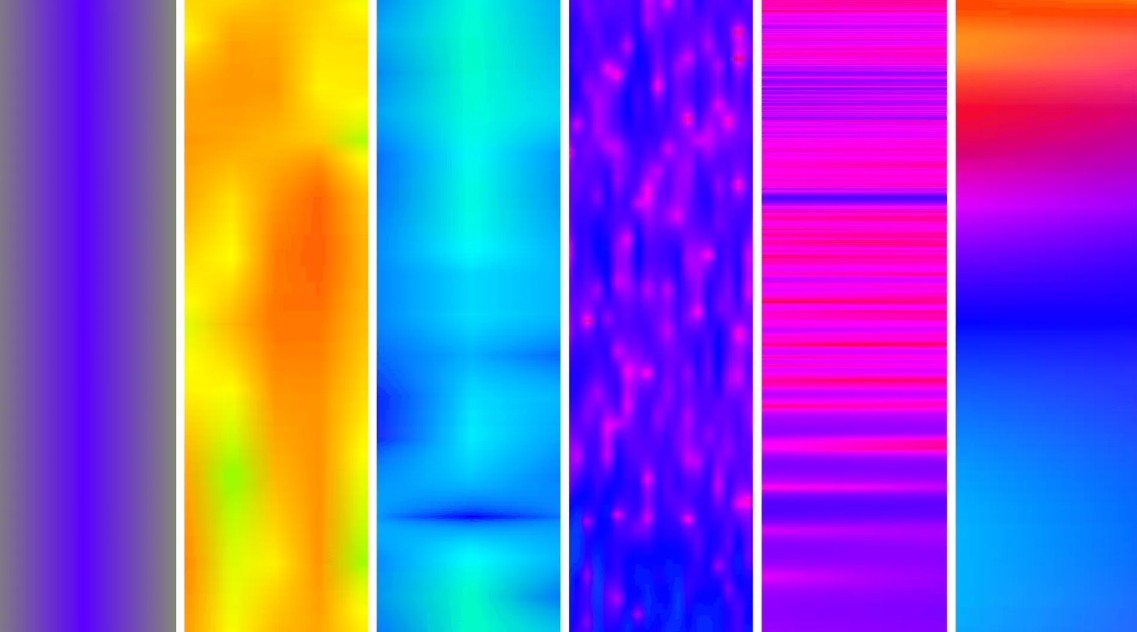
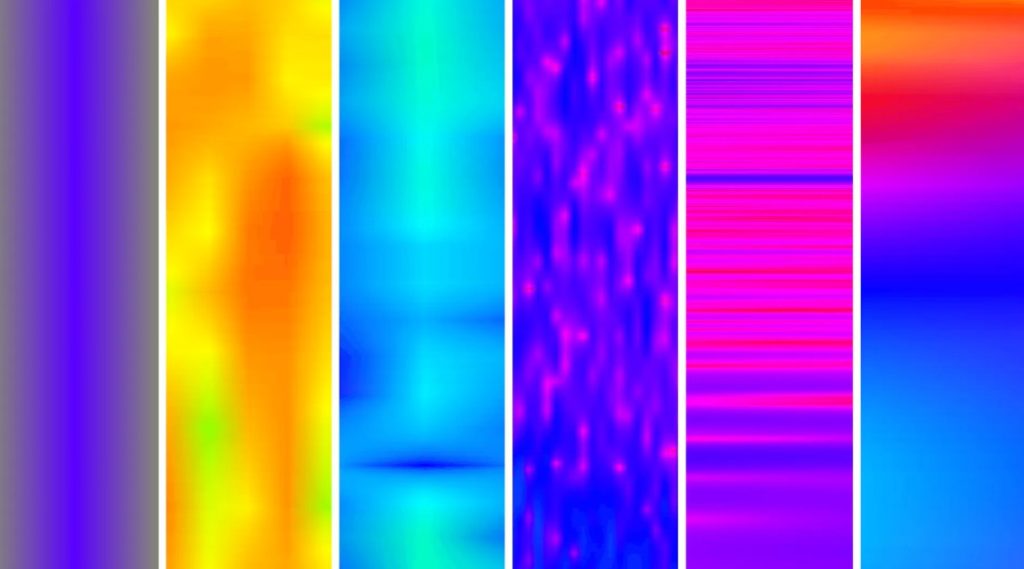
For How many colours has the sea (2024), Campbell creates a portal into a realm where the spirits lost in the Middle Passage find solace. The exhibition features newly commissioned works, such as a large-scale sculpture that recreates the submerged terrain where African and North American tectonic plates converge, and nine monolithic panels, or “Breath Portraits” that aim to visualize the breath of members of the Black community.
The exhibition also includes an audio installation that captures the calm and tumultuous atmospheres of the sea using hydrophones (underwater microphones), and fills the gallery with the sounds of the ocean. An additional work available on headphones also offers personal reflections on reconnecting with the lost.
How many colours has the sea is co-commissioned by the Toronto Biennial of Art and the National Gallery of Canada and co-presented with The Power Plant Contemporary Art Gallery.