


Additional Privacy Wanted in Commercial Bathrooms: Survey
Bradley has released the results of its 2025 Healthy Handwashing Survey, which revealed that respondents want additional privacy improvements and enhancements such as touchless fixtures in public washrooms.
The survey examines how people’s preferences could shape the future of restrooms in a variety of high-traffic facilities. The annual research asked 1,032 U.S. adults between January 3 and 14, 2025, about their use of public restrooms, handwashing habits, and the cold and flu season.
“We like to look at all aspects of public restroom usage and this year we got back some interesting insights that could lead to changes in the future,” said Jon Dommisse, vice president of business development and strategy for Bradley.
The survey found that 86 per cent of adults think it would be valuable for restrooms in high-traffic locations to have a display showing how many stalls are available. This system, which is already in place in many airport washrooms, helps individuals decide whether they’d like to use that restroom or find a less crowded one prior to entering. It also helps to save time and eliminates the frustration of waiting in a long line or searching for an open stall.
When survey respondents were asked about implementing restroom timers, the results determined that most of them didn’t like the idea of being timed. The majority, or 53 per cent, don’t think it’s valuable and 60 per cent of women and 72 per cent of adults aged 55 and older don’t see the benefit.
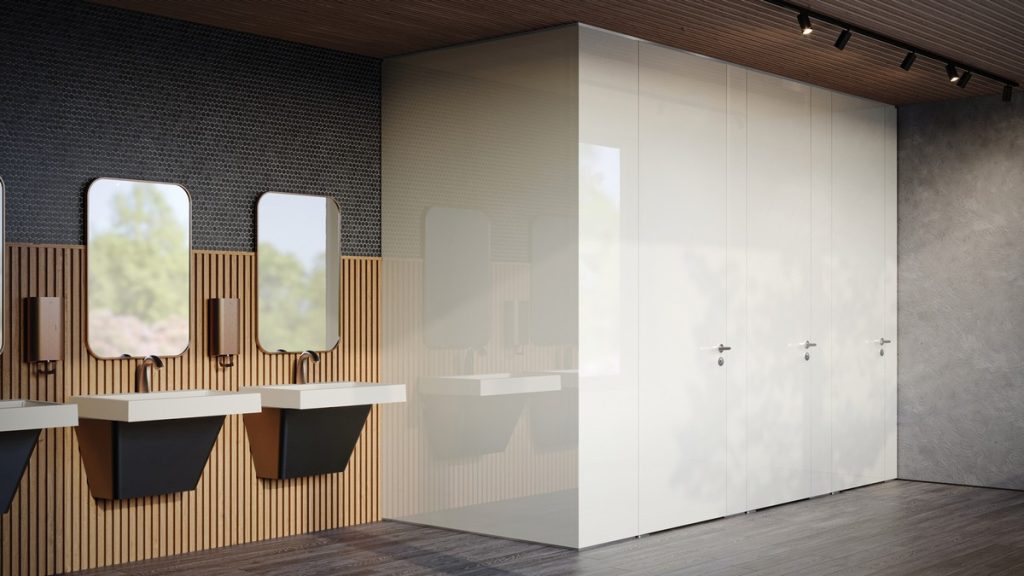
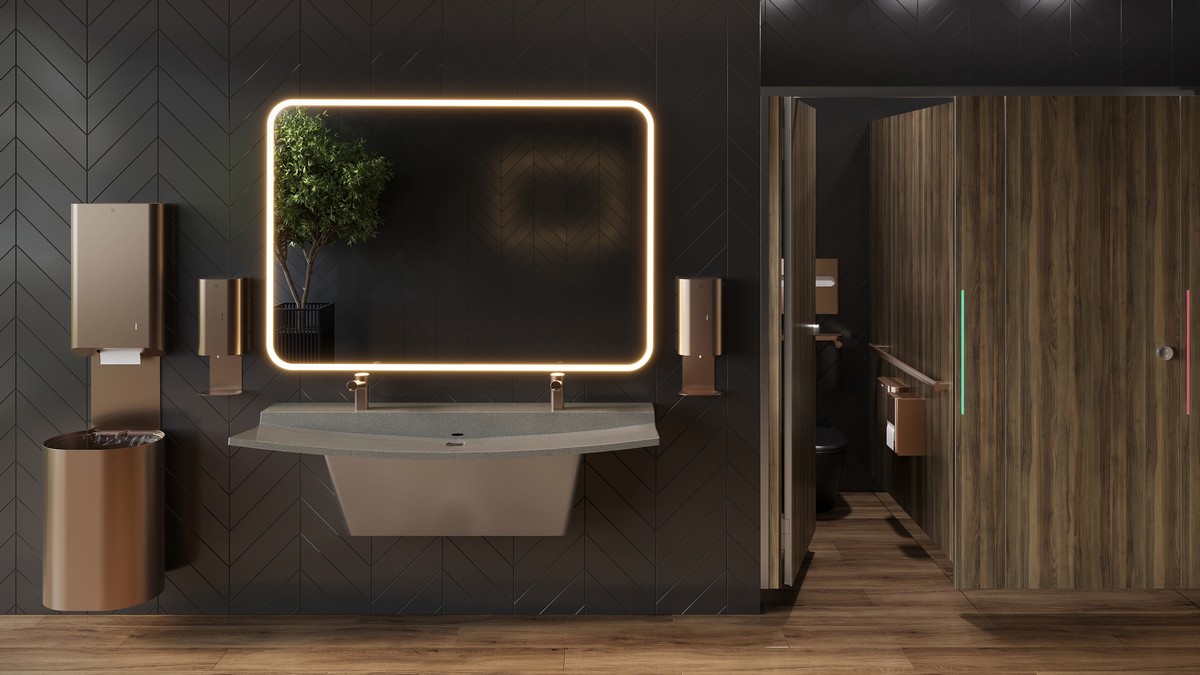
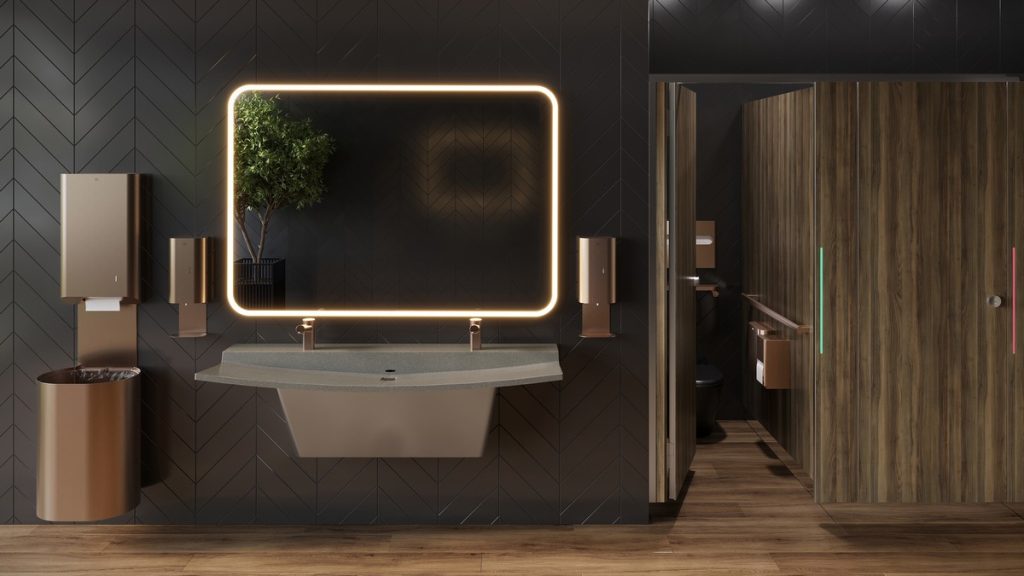
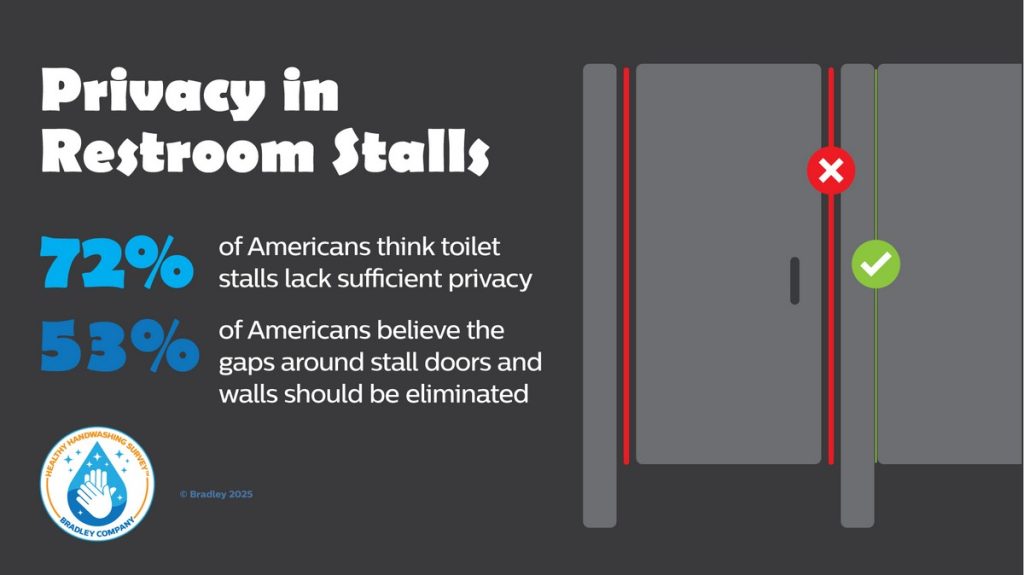
One restroom change that nearly everyone agreed on was the need for additional privacy with 72 per cent of adults feeling that public restroom stalls don’t provide enough “personal space” protection.
A total of 53 per cent of respondents said they would like the gaps around the stall door and where the stalls come together to be eliminated and 45 per cent want doors that extend all the way to the floor. 44 per cent want an indicator on the stall door that shows whether it’s occupied or not, while 30 per cent say they’d appreciate some sort of sound suppression, such as music, to help improve privacy.
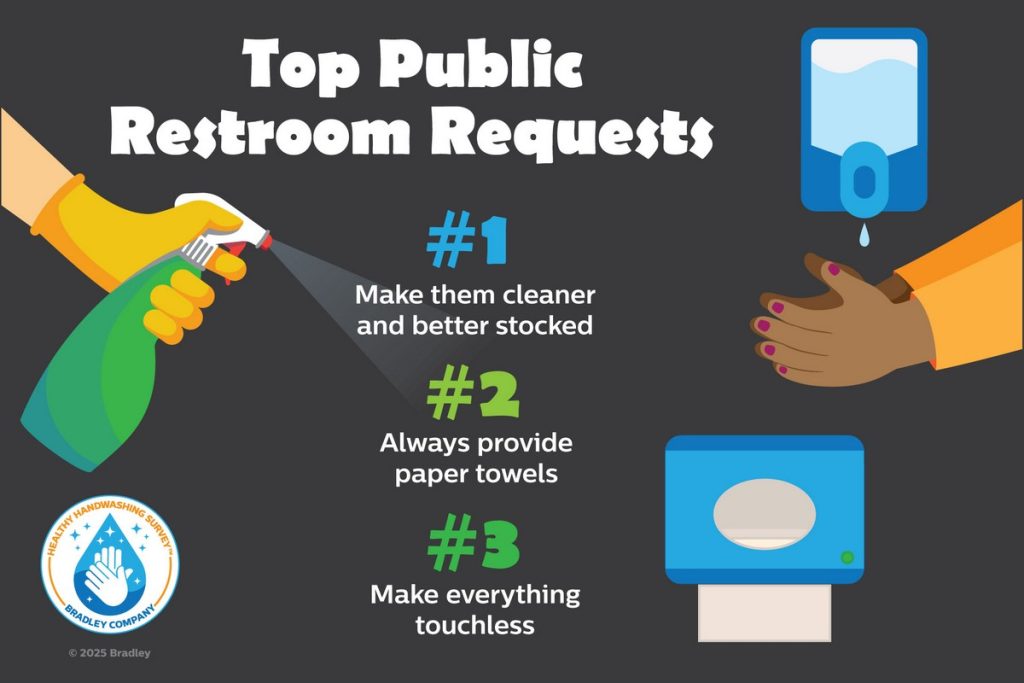
In terms of valuable amenities that more people would like to see in public restrooms, the top three requests were shelves or hooks to hang personal items, a restroom attendant to keep the space clean and stocked and larger stalls. The survey dove further into the desire for cleaner and better stocked restrooms by asking if respondents were willing to pay for that service.
Less than half, or 40 per cent, say they’d likely pay while 18 per cent say they definitely wouldn’t. Men are more willing to pay than women with 46 per cent of men vs. 33 per cent of women saying they would pay for a clean and well-stocked restroom. For those willing to pay, one-third feel up to 25 cents is reasonable while another third is open to doubling that amount to 50 cents.
Almost 80 per cent of respondents think it’s important for public restrooms to have touchless fixtures and 75 per cent believe touch-free technology improves their overall experience in a restroom. The top three requests for touchless operation are toilet flushers, soap dispensers and faucets. This preference overlaps into the business sector since 65 per cent of adults say they’re more likely to return to a store or business that has touchless fixtures, while 84 per cent have a negative impression of a business if it has an unclean or unpleasant restroom.
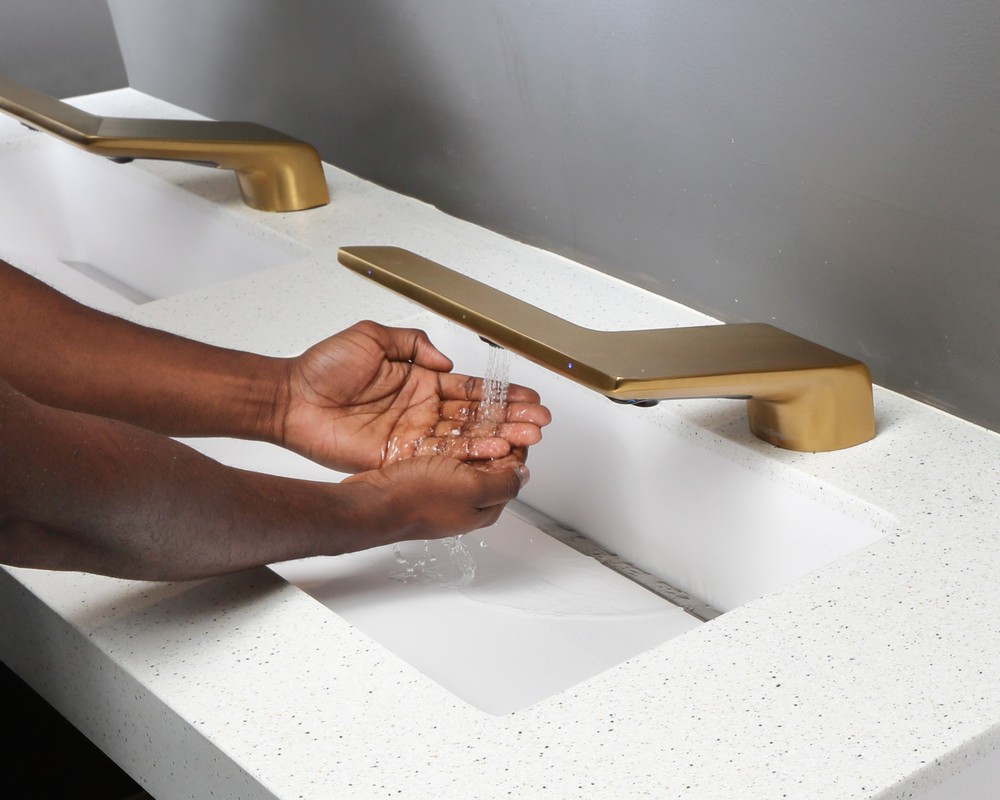
In terms of handwashing habits, on average, adults estimate they wash their hands 7.6 times per day. However, 45 per cent say they sometimes just rinse with water. For the most part, survey respondents are diligent about handwashing after using a public restroom with 81 per cent saying they always wash and 11 per cent saying they usually do.
A lack of soap or paper towels are the biggest reasons adults bypass handwashing in a public restroom. A total of 79 per cent wash their hands more thoroughly or frequently in response to seasonal flu virus outbreaks, 39 per cent wash after being around someone who is sick, and 37 per cent wash up after sneezing or coughing.
In terms of their children, nearly 40 per cent of parents believe their kids don’t wash their hands enough. A total of 74 per cent of dads feel their offspring are doing fine with their handwashing diligence while 51 per cent of moms are satisfied.
For more information, visit www.bradleycorp.com/handwashing.