


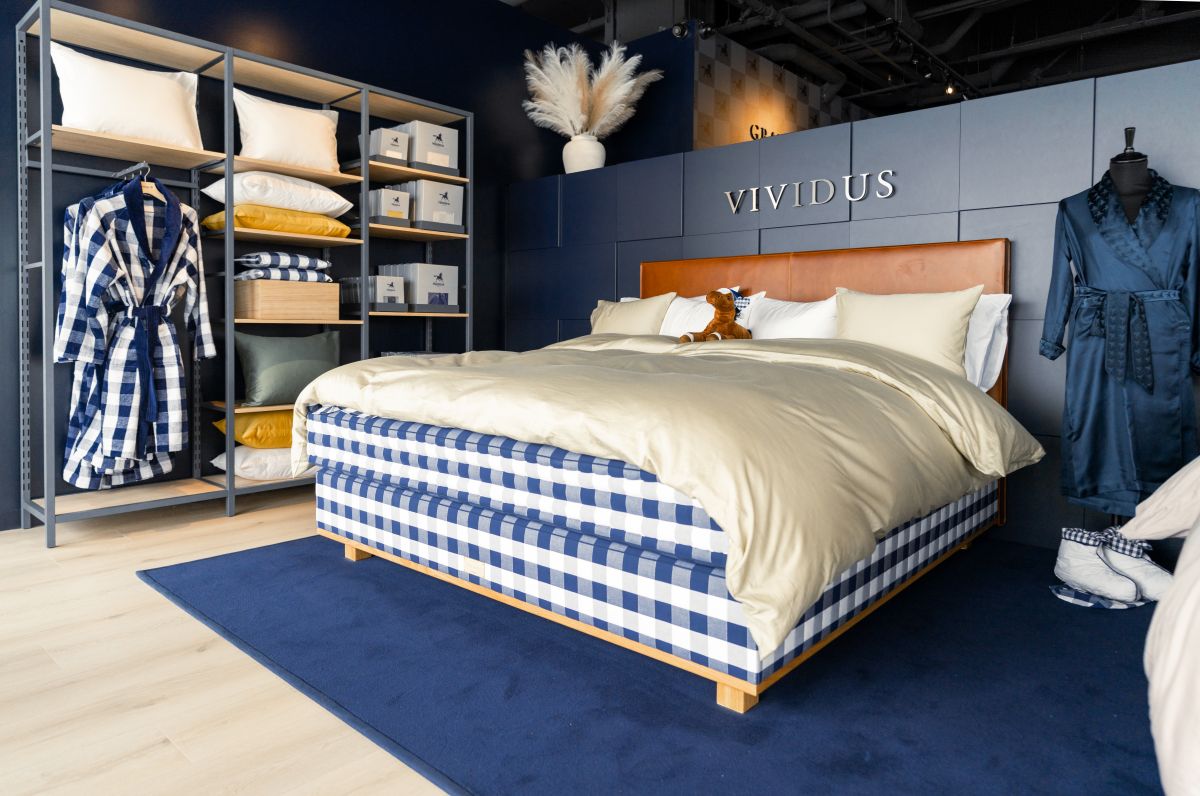
Op-ed: How Restorative Spatial Design Will Shape Canadian Bedrooms in 2026
In Canada, the concept of wellness has expanded beyond gyms, nutrition and mindfulness apps, entering a quieter but increasingly influential realm: the home. According to a study published last year, roughly one in six Canadians suffers from insomnia, while 90 per cent report actively working to improve their sleep.
As Canadians increasingly recognize that sleep is an important pillar of wellness, much like exercise and diet, the bedroom is no longer just a place to sleep. It has evolved into a multi-functional environment that facilitates restorative rituals. For professional designers, this shift demands a new lens: one that prioritizes spatial hierarchy, circulation, and sensory management to create holistic recovery habitats.
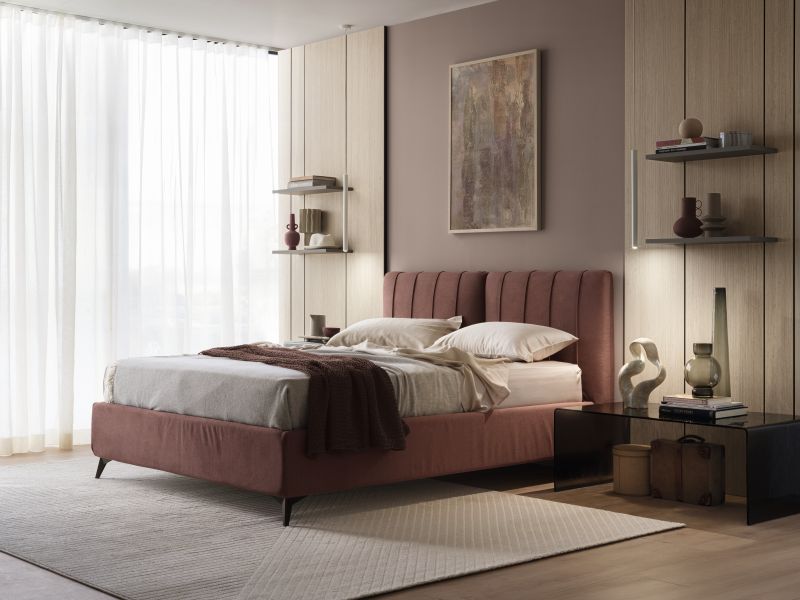
Spatial Zoning for Restorative Functionality
Traditionally, bedrooms have been designed as single‑function spaces with little more than a bed, perhaps a nightstand, and sometimes a small reading lamp. Now, emerging design priorities are transforming the bedroom into a multi‑modal recovery habitat. The bedroom has become a place for decompression after work or family demands, fostering quiet reflection, mindful routines and restful sleep.
Spatial zoning helps deliver on this potential. Strategic furniture placement creates distinct zones for work, rest, sleep, and reflection, while carefully designed privacy gradients separate active spaces from restful retreats. Together, these elements foster a true sense of sanctuary. In practice, this might look like a small reading nook or window alcove for pre‑sleep rituals or mindfulness, lightly separated from technology or work zones, before transitioning to a sleep enclave.
Clear spatial cues help the mind shift from alert to relaxed, and eventually to sleep, which is why thoughtful zoning can have such an impact on rest. Designers are also experimenting with micro-zones within larger bedrooms by adding soft partitions, subtle floor-level changes, or shifts in materiality to signal different psychological states. Even in compact condos, designers are finding ways to carve out restorative pockets: a built-in bench tucked into a bay window, a recessed wall niche for meditation, or a millwork-framed alcove that feels distinct from the sleep surface. These small spatial gestures meaningfully influence how occupants transition through the room and regulate their energy across the evening.
Sensory Design as a Strategic Tool
Sensory design is increasingly recognized as a fundamental aspect of wellness-oriented interiors. Visual clutter can contribute to cognitive fatigue, making concealed storage and minimalist layouts essential for calm. In fact, data shows that exposure to bright indoor lighting can suppress melatonin and disrupt circadian rhythms, leading to difficulty falling asleep.
In Canada, the significant seasonal variation in daylight hours makes adaptive lighting essential. Design must effectively integrate daylight, warm evening light, and complete blackout capabilities for nighttime. On the acoustic side, designers are using materials such as wool felt, padded wall panels, upholstered furniture, and thick textiles to reduce echo and ambient noise. Spatial buffering helps create a quieter, more protected interior. For instance, positioning wardrobes or millwork along shared walls, or creating a short entry corridor to separate the bedroom from hallways. Even scent and airflow — though subtle — are integral to crafting restorative environments. For designers, these sensory interventions are strategic, influencing how spaces function for both the body and mind.
Designers are also drawing on neuroaesthetic principles by utilizing curved forms, soft edges and warm colour temperatures to lower cognitive load and foster a sense of safety. Subtle multisensory layering, such as combining low-contrast palettes with textured natural materials and controlled ambient lighting, supports nervous-system regulation.
Materiality and Wellness
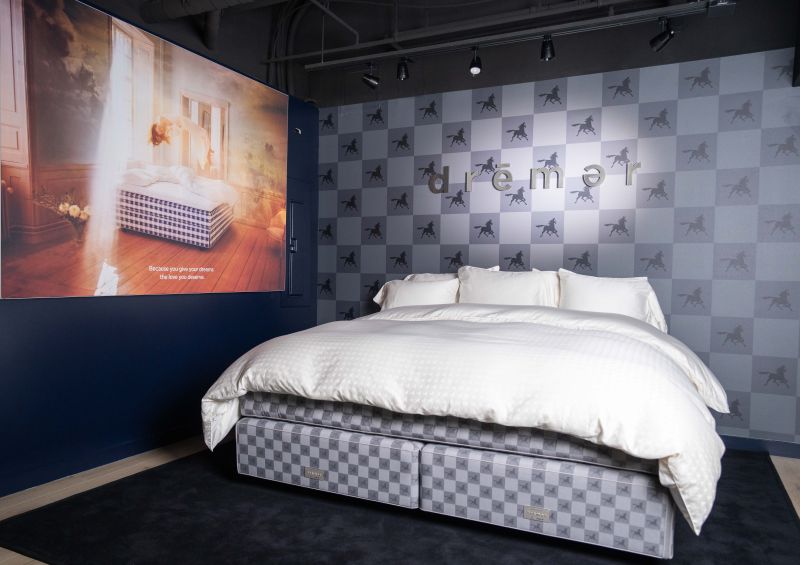
Material selection plays a crucial role in restorative design. Natural, tactile materials like wool, linen, wood, clay, and raw metals enhance sensory comfort, help regulate temperature, and create a deeper connection to the surrounding environment. Beyond aesthetic and durability considerations, designers are increasingly assessing materials for regenerative properties, sustainability, and longevity. The goal is to create bedrooms that are durable yet adaptive, offering physical and psychological comfort while aligning with ethical and environmental standards.
There is also growing interest in materials that hold temperature or respond subtly to touch. Clay-based wall finishes, for example, help regulate humidity while providing a soft, matte visual quality that feels calmer than high-gloss alternatives. Natural wood, particularly in lighter tones, reflects daylight gently and creates a grounding visual rhythm across the room.
The Role of Craftsmanship and Quiet Luxury
The growing trend of ‘soft wellness’ is reshaping luxury residential design, giving rise to a new standard centred on quiet, human-focused craftsmanship. This approach champions longevity, responsible sourcing, regenerative materials, and sensory well-being.
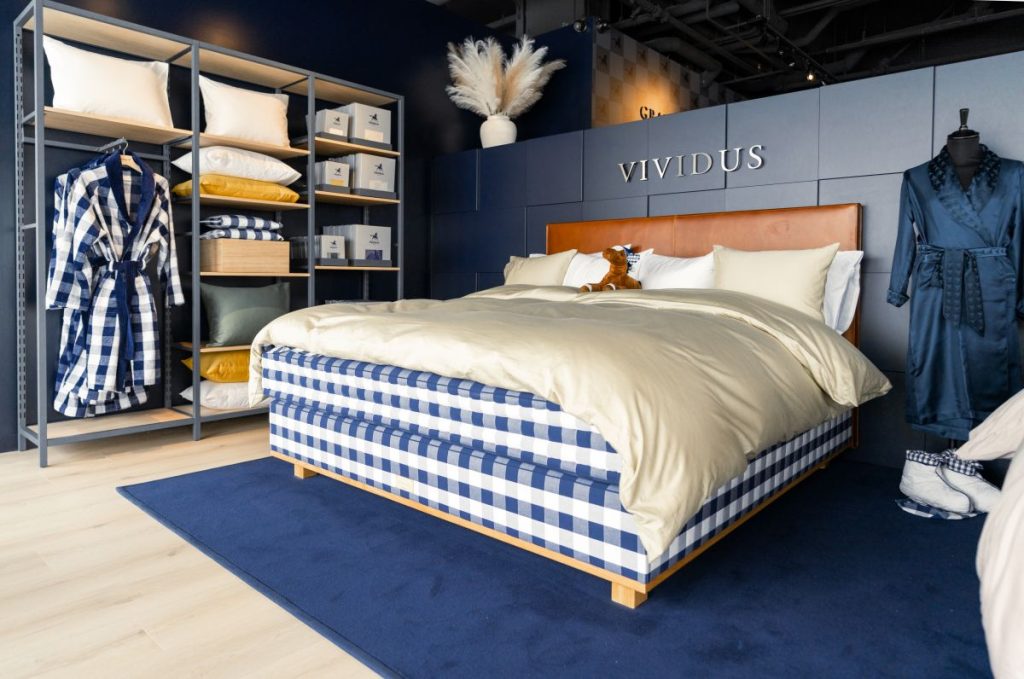
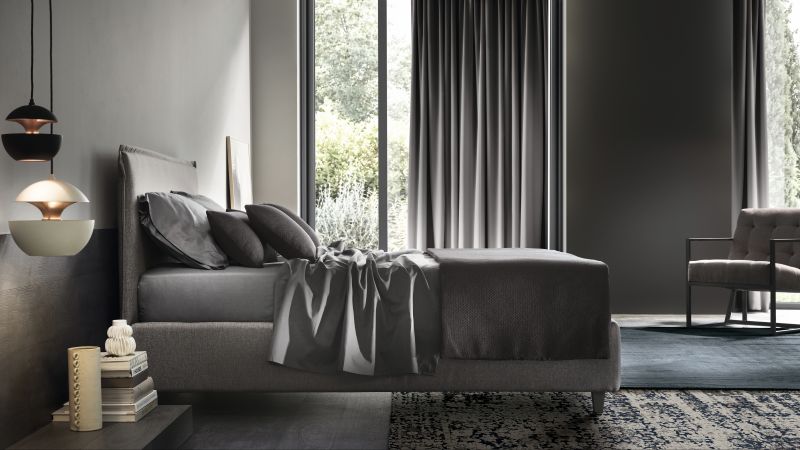
For designers, this means advising clients on “value over decades” rather than “value per square foot.” A perfect example is a bed built to last for decades, crafted from sustainably harvested pine and ethically sourced natural materials such as cotton, wool, flax and horsehair. It offers more than functionality—the materials all promote faster sleep onset and longer periods of deep sleep.
Cotton provides comfort and breathability, while wool, nature’s performance material, regulates the bed’s climate. Flax is a fantastic noise and vibration absorber, fostering a peaceful environment for the body to regenerate. Meanwhile, horsehair’s natural antibacterial, anti-fungal, and anti-mite properties contribute to a healthier, more hygienic sleeping space.
Integrating Technology Thoughtfully
Technology in the bedroom is also being reimagined. Smart lighting and temperature systems are increasingly integrated into architecture in a seamless manner. The goal is to enhance function without dominating the environment, allowing bedrooms to operate as adaptive, tech-quiet retreats. In practice, this means technology becomes part of the background, supporting wellness outcomes, rather than creating cognitive or visual stimulation.
For example, hidden LED channels routed into custom millwork, under-bed motion-sensing lights that guide nocturnal movement without disrupting melatonin, and HVAC systems calibrated for ideal nighttime temperatures have been introduced to bedroom designs. Additionally, many individuals are adopting smart systems that automatically dim lights, warm colour temperatures, and lower sound levels in the hours leading up to bedtime. Some designers are pairing this with automated blackout shades that rise slowly with morning light, supporting natural circadian cues. For clients sensitive to overstimulation, even the absence of visible screens, wires, or control panels contributes to psychological ease.
Leading with Spatial Design for Restorative Living
More than ever before, bedrooms offer designers a unique chance to shape how people recover and restore at home. By focusing on spatial zoning, sensory management, materiality, craftsmanship, and the integration of subtle technologies, designers can transform bedrooms into truly restorative habitats. These interventions extend beyond aesthetics—they directly influence the physical, cognitive, and emotional health of the inhabitants.
In 2026, the challenge and opportunity for designers is to create spaces that prioritize long-term well-being, adaptability, and sensory balance. As the soft wellness trend continues to influence Canadian interiors, the next era of residential design will be defined by thoughtful integration of spatial design and restorative principles.
Ringo Wu is General Manager of Hästens Vancouver.