


Book review: The Art of the Clash
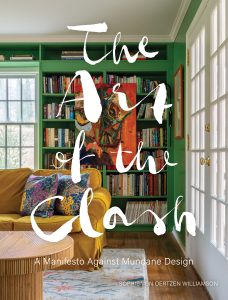
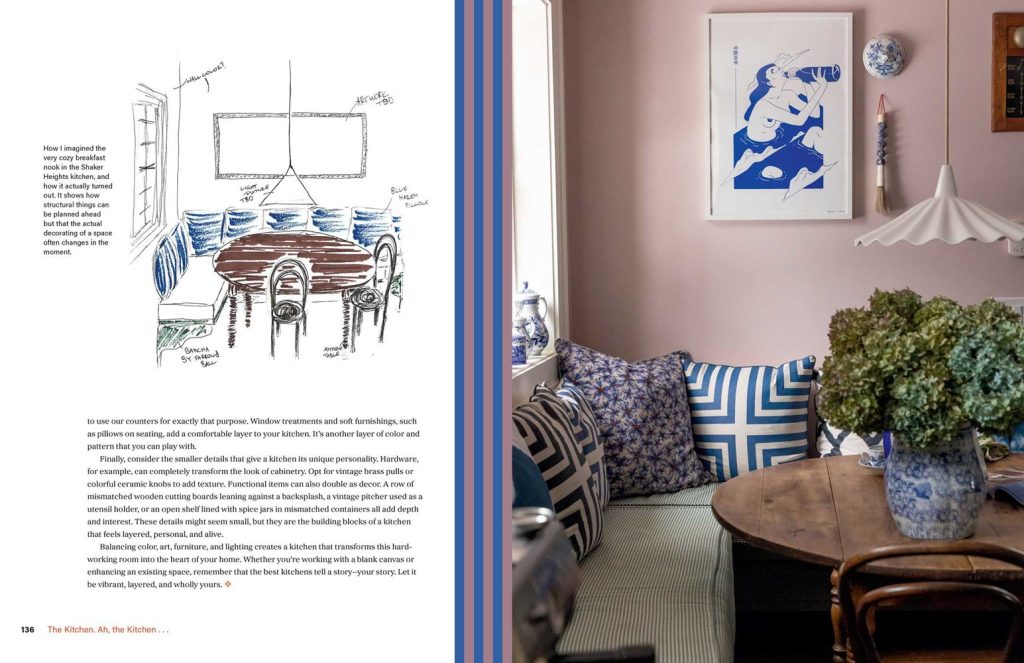
Among the growing stack of books on my desk to review are certain commonalities in look and tone: hyper-modern firms doing (mostly) hyper-modern work creating arresting yet convivial interiors, many of which seem to love mostly white rooms. Which may be why The Art of the Clash caught my eye: from cover to cover is an obvious revelry in the tension that emerges between contrasting styles, colours and objects.
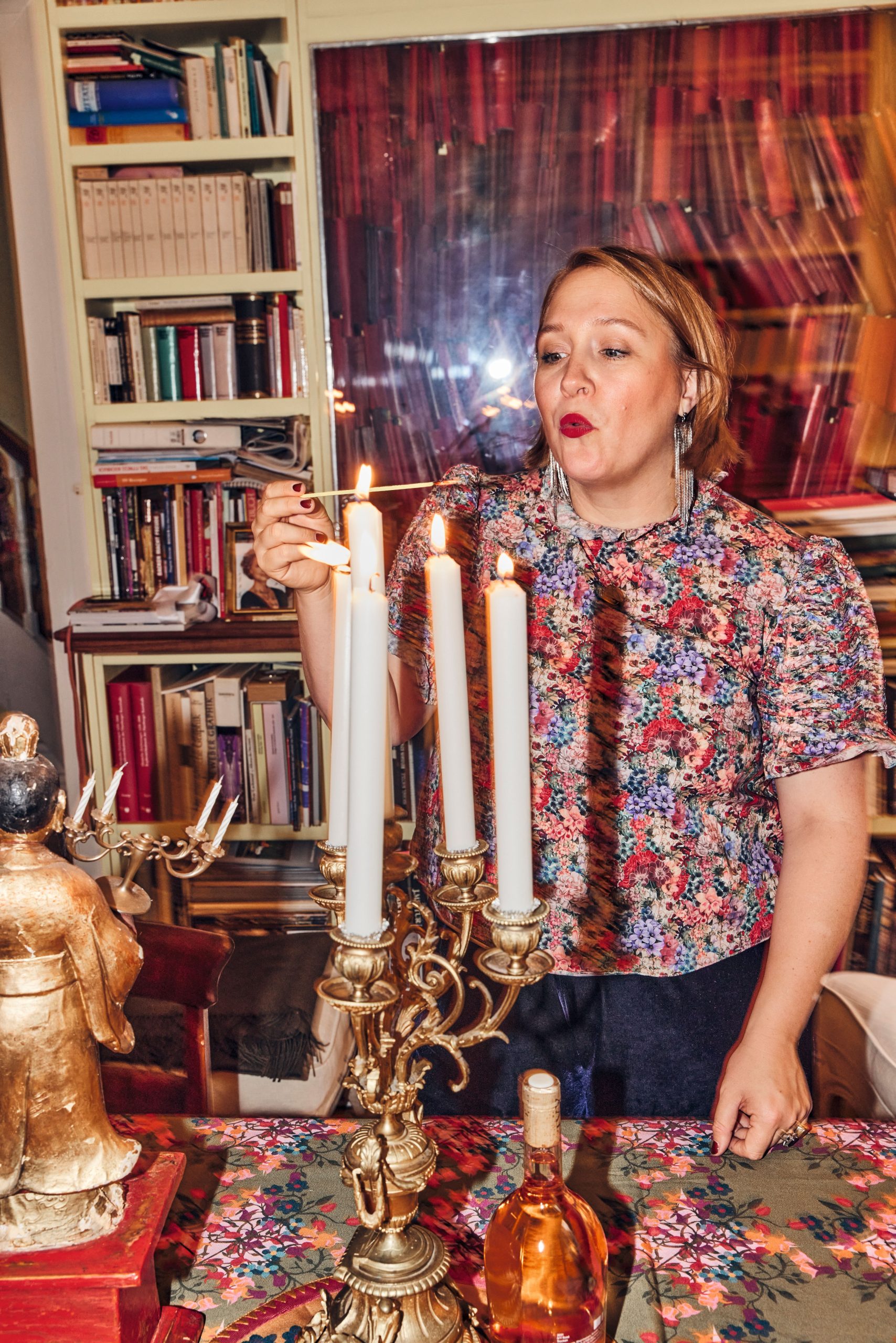
With maximalist enthusiasm, Connecticut-based (by way of Switzerland, Germany, and the U.K.) interior designer Sophie von Oertzen Williamson makes a feisty case for interiors that reject trendy sameness in favour of rooms laden with memory-laced contradictions. Self-styled as “a manifesto against mundane design,” the book is less manifesto and more exuberant endorsement for tension: between antique and contemporary, polish and imperfection, pushiness and restraint.
Williamson insists that successful eclecticism is not indiscriminate accumulation but disciplined layering and she does a fairly good job separating dynamic clash from visual chaos. She emphasizes cohesion through recurring colour stories and proportional balance: a saturated blue may jar against ochre, but only if repeated elsewhere to establish rhythm; a flea-market armoire can coexist with modern upholstery when both contribute to a broader emotional register. The “clash” succeeds when tension is calibrated, not accidental—an insight that resonates in a market increasingly oversaturated with performative eclecticism.
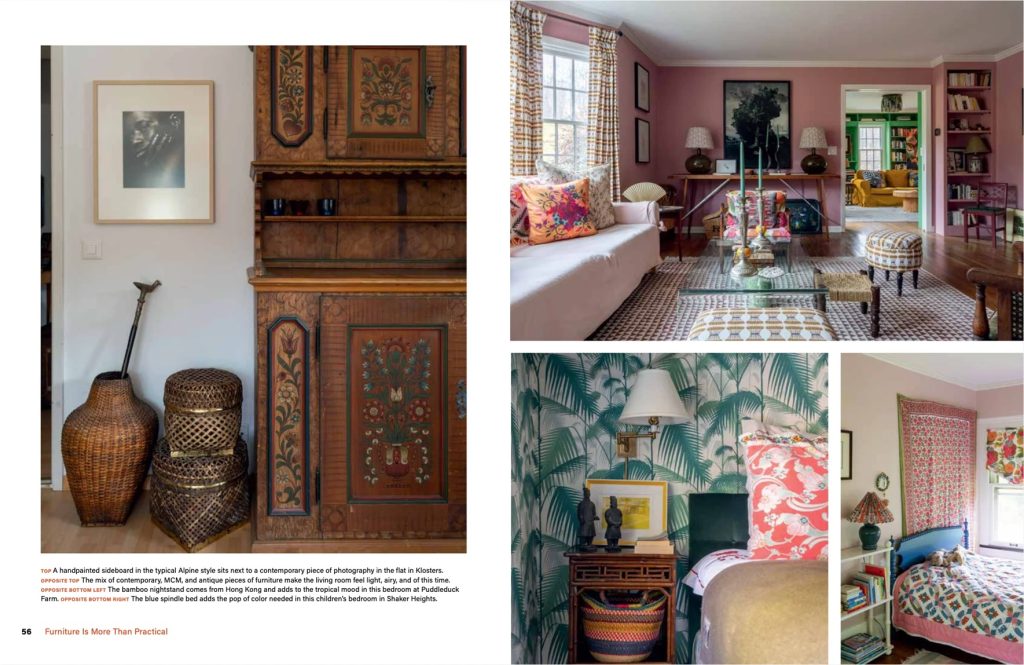 Emotionally, Williamson identifies a widespread craving for spaces that feel authored rather than assembled. Her layered interiors respond to a cultural fatigue with sterile perfection, suggesting that people increasingly seek homes that offer intimacy, biography, and sensory richness. In her view, personality-driven spaces function almost therapeutically: they reassure inhabitants through collected objects, textured memory, and visual surprise.
Yet for all its energy, calling the book a true manifesto may overstate its universality. Williamson’s philosophy is deeply autobiographical, rooted in her own transatlantic homes, personal history, and preference for colourful, inherited, and expressive environments. Rather than establishing a sweeping new design movement, The Art of the Clash reads more convincingly as an articulate personal design credo.