



Light + Building 2026: The Thinking Ceiling
Light + Building 2026 in Frankfurt underscored a shift in lighting as both infrastructure and experience, where innovation is less about fixtures alone and more about intelligent ecosystems. Across nearly 2,000 exhibitors, the most compelling product advances fused AI-driven controls with sensor-rich luminaires, enabling lighting schemes that respond fluidly to occupancy, daylight, and use. These adaptive systems point to a future where illumination operates as a dynamic layer within broader building intelligence, closely tied to energy management, electrification, and bidirectional charging networks.
Equally notable was the refinement of lighting as a design medium: manufacturers paired high-performance technology with nuanced colour tuning, material sensitivity, and increasingly circular construction. Experimental prototypes and emerging designers pushed formal and material boundaries, hinting at a more expressive yet responsible direction. The result is a new design paradigm positioning lighting as a central tool in shaping responsive, future-ready interiors.
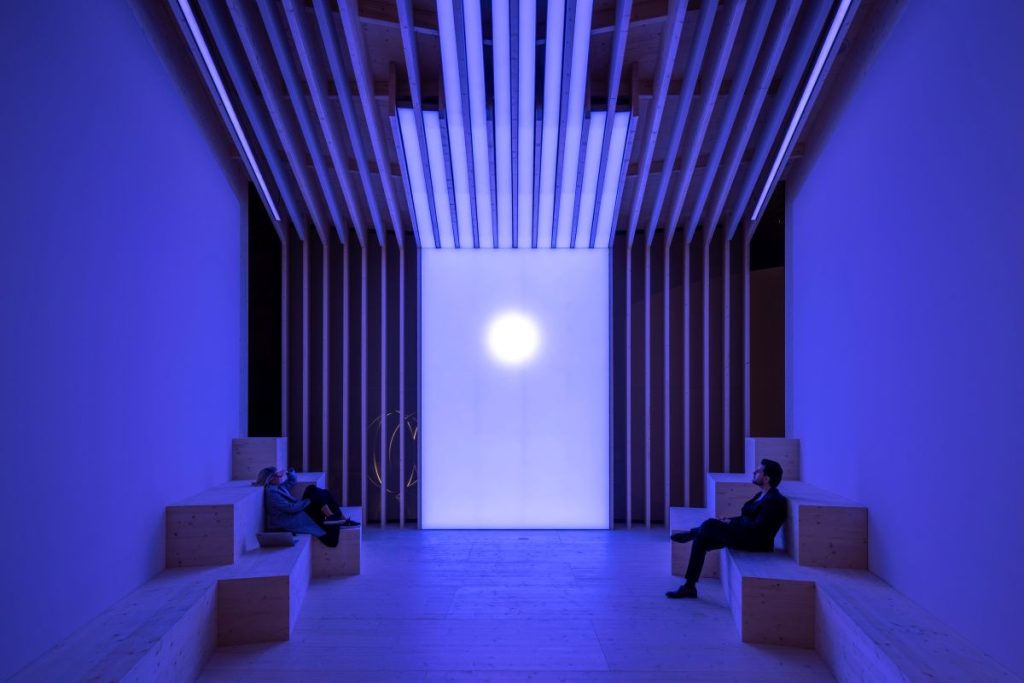
Cieluma | Zumtobel
In 2024, Zumtobel broke the World Record for largest continuous illuminated ceiling with a 203-sq.-m. installation of their textile light system Cieluma. This year, they introduced a feature called Move, where the individual 1.5-inch pixels behind the diffusing textile can be controlled to create gauzy atmospheric patterns, such as simulating sunrise and sunset.
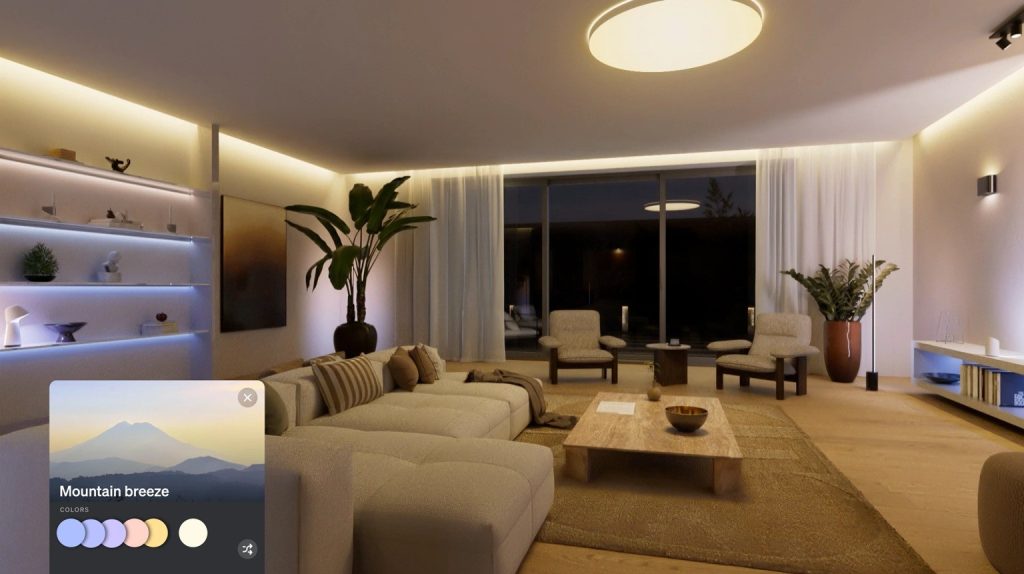 SpatialAware | Philips Hue
Advancements in smart building trends are making their way into lighting products for all markets. The recently introduced Hue SpatialAware feature allows users to scan a room to determine the position of each Philips Hue light, then an algorithm ensures they all work in harmony to create the most natural ambience.
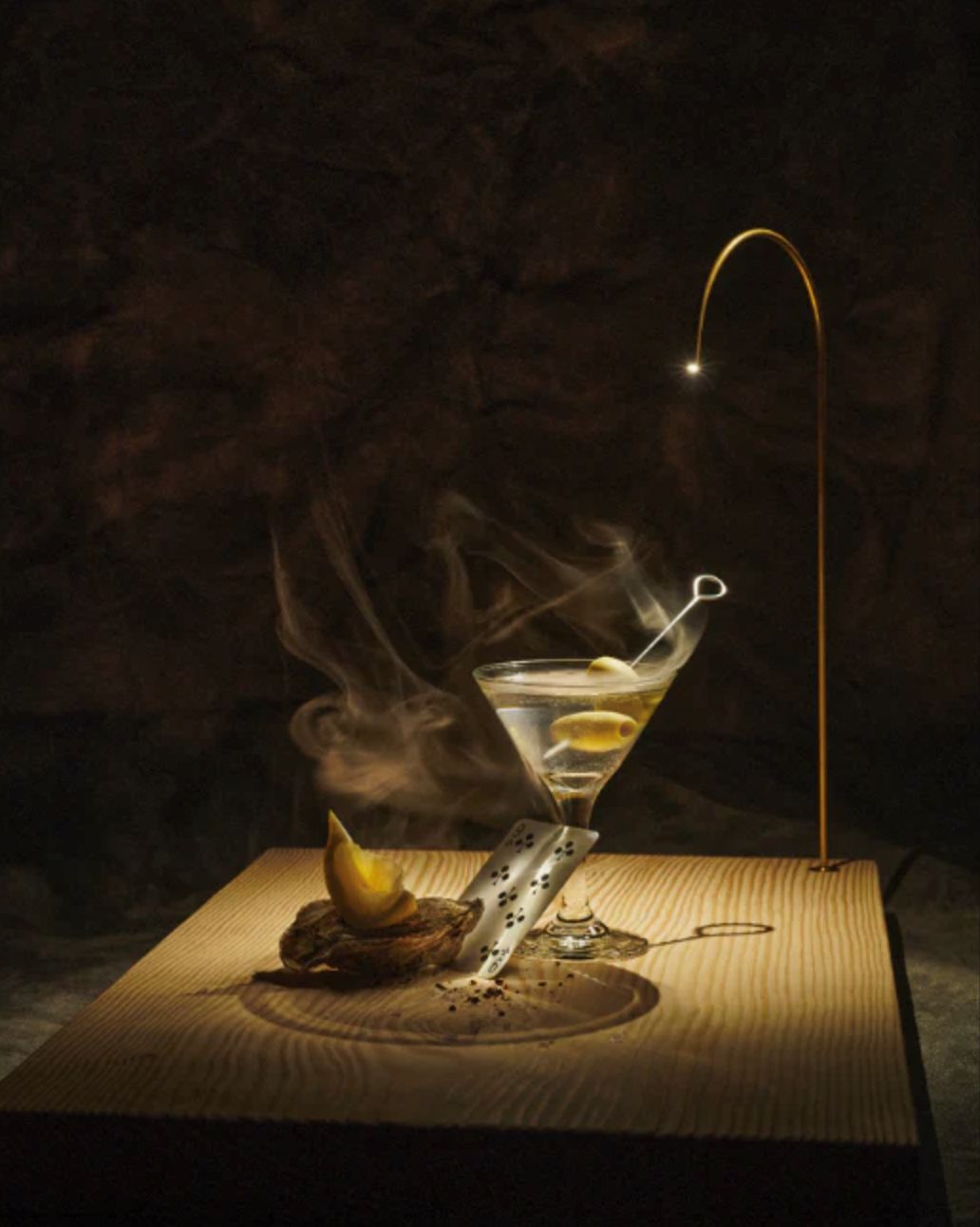 Lightware | Saas Instruments
Picture going into a restaurant with small LED light points integrated into the table. A waiter comes by and clicks a straw-sized brass tube over the light point: the tube contains a fibre optic cable that redirects the light into a warm wash over the table. Saas Instruments’ elegant Lightware, distributed through Eurolite in North America, is being used in restaurants around the world, including a half dozen listed in Michelin guides.
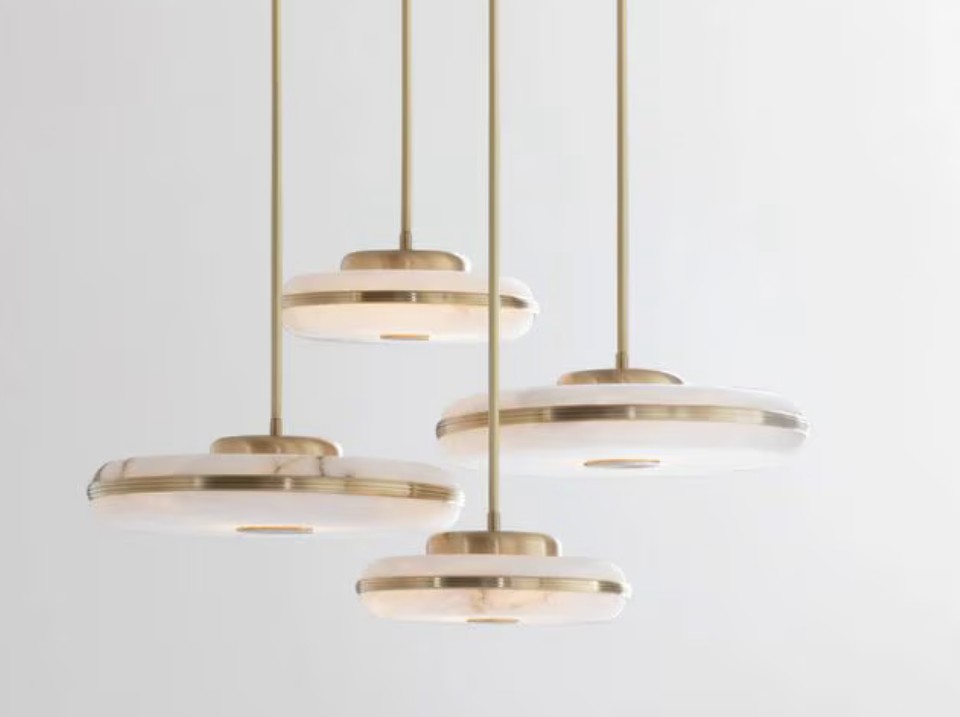 Beren | Bert Frank
Inspired by mid-century classics, Bert Frank’s U.K.-made lights blend quality materials such as bronze, leather, and wood with sophisticated style. The Beren line of wall sconces, pendants, table lamps, and chandeliers, available through LightForm, are made from milky white Spanish alabaster, and framed with rings of antique brass.
 Liquid Line | Lightnet
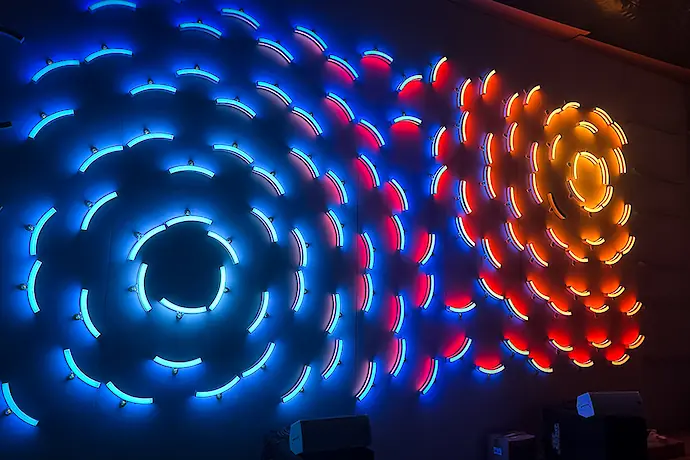
A stand-out at Light + Building was a kinetic installations called Liquid Tiles, created by German manufacturer Lightnet with Catalan audiovisual artist duo Playmodes. The installation featured 126 curved lights, set in a triangular matrix; in time with ambient music, the lights rotated to form dynamic patterns animated by changing colours. The base product, Lightnet’s Liquid Line, is available as a surface-mounted or suspended system, with a new option to add metal mesh curtains.
 Gorget | Ilum
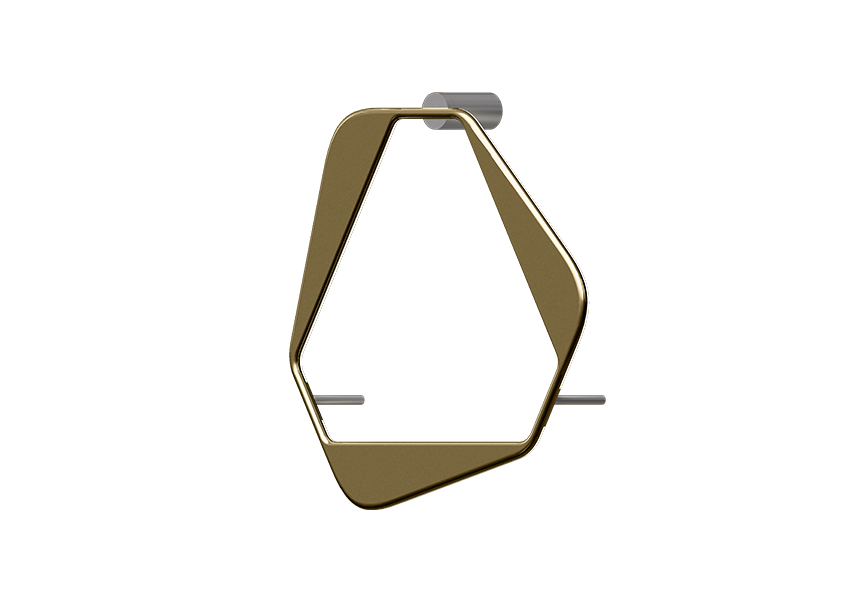
Ilum’s high-design lights aren’t easily available in Canada—but there’s a workaround. The luxury lighting company will ship the luminaire without its electronic driver; a Canada-approved unit can be added upon installation. A model that caught our eye as being worth the effort was the Karim Rashid-designed Gorget, an asymmetrical ring that recalls a medieval headscarf.
Elsa Lam is editor of Canadian Architect.
As featured in the May-June 2026 issue of Canadian Interiors magazine.